
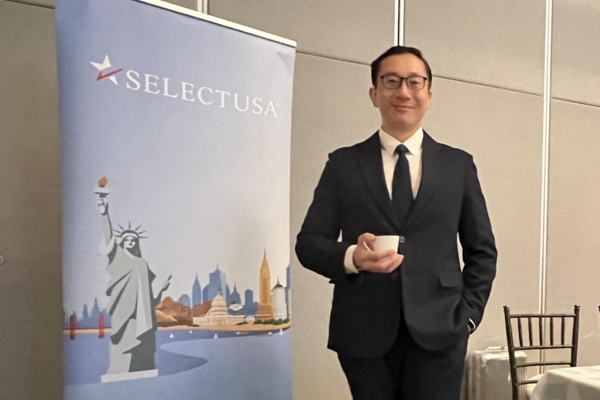
With the commencement of the 2026 H-1B visa application season, adjustments to immigration policies and the lottery system have drawn significant attention from international students, employers, and parents. Southern California practicing attorney Danny Chen dissects the changes in the lottery system, key application points, and alternative solutions, providing insights into the “H-1B 2026 New Regulations” for those aspiring to develop careers in the United States.
Danny Chen emphasizes that while the H-1B visa is a popular choice, it is not the only option available. He advises applicants to adopt a diversified planning mindset, strategize early, and avoid placing all hopes on the lottery results.
One of the most significant changes in the 2026 H-1B system is the linkage between the lottery mechanism and wage levels. Applicants are categorized into different levels based on the position’s salary, with higher levels correlating to increased chances of selection. Therefore, under the new regulations, the job description provided by employers will play a crucial role, impacting not only the job classification (SOC code) but also directly influencing the wage level and lottery weight.
Explaining further, Danny Chen clarifies that the success of an application does not solely depend on being selected in the lottery but on passing the subsequent review process smoothly. The recognition of the position as a “specialty occupation” serves as the core of the scrutiny, with most Requests for Evidence (RFE) from the immigration authorities focusing on this aspect. Ambiguities in job descriptions, broad educational requirements, or the inability to demonstrate the need for specialized knowledge and theoretical application can lead to scrutiny or even rejection.
This year’s new regulations particularly emphasize the “consistency of application materials,” requiring information to align seamlessly from initial registration and Labor Condition Application (LCA) to the final submission. Any discrepancies between these stages significantly increase the risk of rejection.
In terms of practical strategies, Danny Chen suggests that applicants can negotiate within legal boundaries with employers, such as adjusting job responsibilities, optimizing job descriptions, increasing the ratio of fixed wages, or selecting a more favorable wage region based on location differences to enhance the overall chances of selection. However, he stresses that all adjustments must align with actual job responsibilities and must not be fabricated or manipulated.
Additionally, Danny Chen highlights that the lottery is just the initial phase, and the preparation of subsequent documents is equally crucial. This includes evidence of company operations, financial capabilities, organizational structure, as well as certification of educational qualifications, work experience, and legal identity records, all of which must be comprehensive and consistent to increase approval rates.
Lastly, Danny Chen reiterates that besides the H-1B visa, there are still multiple visa pathways available for selection. He advises applicants to plan early, seek the most suitable solution based on their individual circumstances, and enhance their chances of long-term successful development in the United States. ◇