
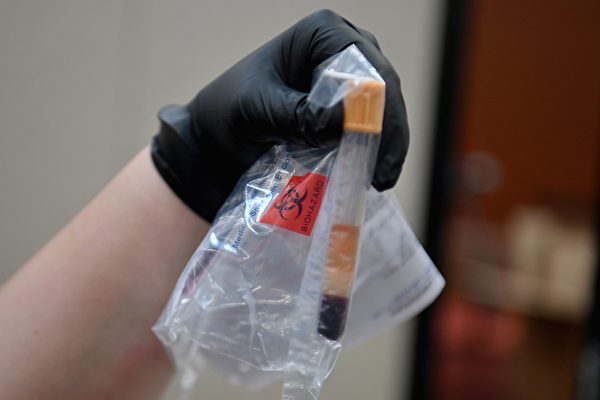
Recently, a battery factory in Guangxi was exposed for requiring its employees to take lead-excreting drugs 1 to 2 months before their health check-ups to ensure that their blood lead levels do not exceed the standard. This practice has led to some employees experiencing physical issues that prevent them from undergoing work-related injury assessments.
According to a report from Xinjing News on April 10th, a former employee of the factory revealed that the company would demand employees to take lead-excreting drugs such as dimercaptosuccinic acid (DMSA capsules) in advance to prevent excessive lead levels during health check-ups. Employees were required to take these drugs daily, and failure to do so would result in being prohibited from working.
An official from the Ecological Environment Bureau of Hechi City confirmed that the company involved in this incident is Guangxi Zhuangmei Energy Co., Ltd.
The aforementioned former employee also mentioned that some employees already had high blood lead levels, experiencing symptoms like dizziness and abdominal pain. However, after taking the lead-excreting drugs, their health check-up results were unable to meet the criteria for work-related injury assessments.
It was reported that prolonged or excessive use of such drugs could potentially lead to gastrointestinal reactions and even damage to the nervous system.
In response to the situation, the Health Commission of Hechi City stated that the employees’ feedback is confirmed to be true, and they have requested the company to arrange for re-examinations.
A staff member from the Industrial Park Management Committee of Hechi City mentioned that they are currently facilitating negotiations between the company and employees regarding compensation issues.
Furthermore, the company has been previously sued for disputes related to liability for harm to laborers and labor disputes. A netizen revealed through a video on April 8th that the working conditions in the factory are harsh, but due to cost-saving measures, the environmental protection equipment is rarely operated.
Occupational lead poisoning is one of the most common occupational diseases in China. Long-term exposure can lead to lead poisoning, causing permanent damage to the nervous system (neurological symptoms, toxic encephalopathy), blood system (anemia), digestive system (abdominal colic, constipation), kidneys, and reproductive system.
According to Tianyancha, Guangxi Zhuangmei Energy Co., Ltd. was established in 2006 and is a member of Superwatt Power Group. The company has changed its name multiple times, previously known as Guangxi Superwatt Xinfeng Energy Co., Ltd., Guangxi Xinfeng New Energy Technology Co., Ltd., Guangxi Superwatt Energy Co., Ltd., among others, before changing to its current name in August 2024.
In January of this year, a battery factory in Jiangxi was revealed to have multiple workers with excessive blood lead levels. Several workers disclosed that as early as the summer of 2024, some had abnormal blood lead levels, but due to the lack of social security provided by the company and the absence of labor relationship proofs, workers faced difficulties in obtaining work-related injury assessments and occupational disease diagnoses.
In December 2025, multiple employees of Jiangxi Yuehai New Energy Co., Ltd., located in Guixi City, Yingtan, Jiangxi, were found to have severely elevated blood lead levels. Test reports indicated that at least 7 workers had significantly elevated blood lead levels, but according to estimates by the workers, there were over a dozen individuals in the plating workshop alone who exceeded the standard. Some out-of-province workers with elevated levels have chosen to resign.