
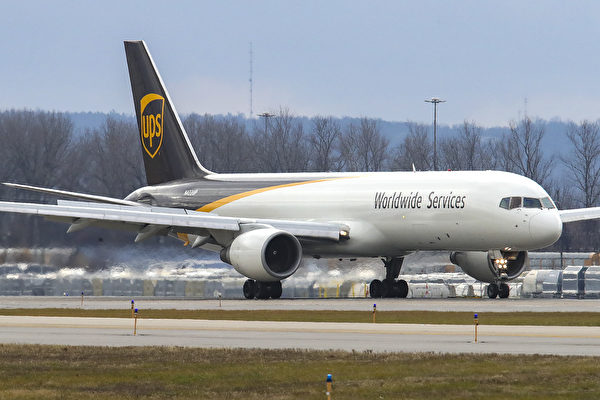
UPS, the American freight logistics company, stated in an internal memo that its fleet of McDonnell Douglas aircraft, which were grounded after a fatal crash, is not expected to resume operations during the holiday peak season as inspections and possible repairs are required.
According to reports from the Associated Press on Friday, UPS Airlines President Bill Moore mentioned in a memo sent to employees on Wednesday that it is anticipated the McDonnell Douglas MD-11 fleet will take several months to be back in operation. The company is currently following guidance from the Federal Aviation Administration (FAA) in handling the situation.
The initial estimation for the entire recovery process was a few weeks, but it is now projected to take several months.
On November 4th, an MD-11 aircraft crashed and caught fire in Louisville, Kentucky, resulting in 14 fatalities and over 23 injuries. The left engine of the aircraft detached during takeoff.
UPS ceased operation of the MD-11 fleet shortly after the accident, even before the FAA issued the directive.
In the memo, Moore wrote, “Regarding the MD-11 fleet, assessments being carried out by Boeing indicate that inspection and potential repair work will be much more extensive than initially anticipated.”
Louisville serves as a crucial hub in UPS’ freight network.
Since its merger with McDonnell Douglas in 1997, Boeing has been responsible for the production of the MD-11 aircraft.
In a statement, Boeing expressed that they are “working diligently to provide operational guidelines and technical support” to operators to ensure they meet FAA requirements.
A UPS spokesperson stated in a release that the company will rely on contingency plans to serve customers during the peak season and will take the necessary time to ensure the safety of each aircraft.
The remaining 109 MD-11 aircraft in UPS’ fleet have an average age of over 30 years. The MD-11 comprises approximately 9% of UPS’ fleet and around 4% of FedEx’s fleet.
The FAA mentioned that Boeing will develop inspection procedures and any required corrective measures, pending approval from the FAA to proceed.