
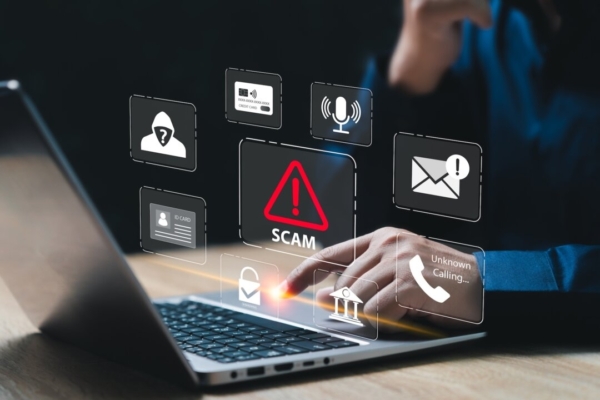
“Around the clock news on January 29, 2026” – A seemingly innocent invitation that urges you to ‘Click here to view details, the sooner the better!’ may actually lead to the infiltration of your device in an instant, risking the exposure of personal information and even potential theft of bank assets. This form of remote invitation scam, known as the E-Vite Scam, is increasingly targeting a growing number of Americans.
According to a report by ABC News, a woman from Chicago recently fell victim to a sophisticated online scam, nearly resulting in the loss of thousands of dollars. The scammer sent an email in the name of a friend, inviting her to a party. After clicking on the invitation, her laptop was instantly hijacked by hackers. They logged into her online bank account and transferred over two thousand dollars using Zelle. Fortunately, she became aware of the situation, contacted the bank promptly, and managed to recover the stolen funds.
A victim from Maryland recounted her experience of being deceived to the local television station WMAR: she received what appeared to be an invitation from a neighbor, clicked on the link, and was redirected to a login page. Although her attempt to log in was unsuccessful, she didn’t think much of it at the time. A few days later, her phone and email were flooded with messages as friends inquired if she had sent out any invitations. It turned out that scammers had taken control of her email account and were deceiving her contacts.
Scammers not only impersonate friends but also send invitations to the victims’ calendars on their phones. As the invitations are linked to email accounts, clicking ‘Accept’ poses the risk of falling victim to fraud.
Cybersecurity expert Burton Kelso informed FOX4 that victims often believe the emails are coming from acquaintances or friends, leading to a lack of caution and ultimately exposing personal and financial information.
Some phishing emails aim to collect personal information first before attempting to scam, while others use email accounts as tools to send invitations to contacts and expand the scope of fraud.
The primary targets of these scams are the elderly, but they have also infiltrated university campuses. Notices were issued by the University of Miami and the University of Washington last year cautioning students and faculty to remain vigilant.
Information released by the Information Security Office at the University of Miami warns that such remote Trojan programs often have similar names such as TrueParty.exe, EventAid.exe, RS.V.P.PRIVATE.msi, YourCARDView.msi, STATEMENT.msi, GlamourPartyInvite.exe, Privateinvitation.exe. If receiving such emails, it is advised not to click to run them.
Experts from the cybersecurity supplier Check Point told ABC7 that remote ‘invitation scam’ is on the rise, not only embedded in emails but also directly integrated into users’ electronic calendars. Many security tools focus on emails, unable to identify calendar entries. They recommend thorough examination of the sender’s email address before clicking, rather than solely relying on the displayed name.
McAfee’s website advises that e-invitation services like Paperless Post only include image attachments, never with attachments ending in exe or pdf, and official mails will only come from specific email addresses under the domain paperlesspost.com.
In addition, do not click in cases of suspicion like being required to enter email account details before ‘viewing’ who invited you, invitations creating a sense of urgency, demands for payment to view event details, messages appearing repetitive, or URLs seeming dubious.
McAfee further suggests that if accidentally opening a fraudulent email, the following steps should be taken promptly: change email passwords (including those of other accounts using the same password), enable two-step verification, check for unauthorized login activities. If unauthorized use of the email account is suspected, inform contacts promptly to prevent falling victim; also conduct a security scan on devices. ◇