
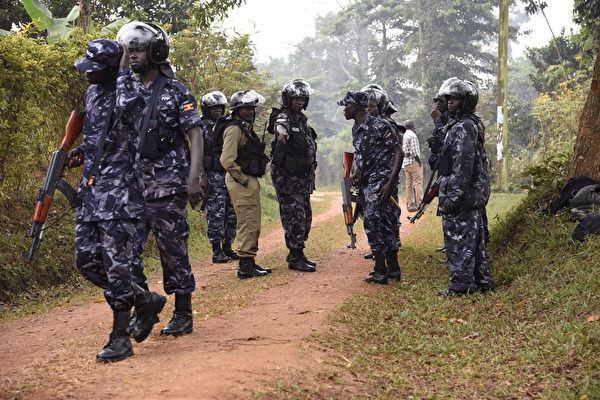
After the controversial presidential election in Uganda came to an end, the situation in the country rapidly deteriorated. The Ugandan military commander announced on Friday (January 23) that authorities have detained about 2,000 opposition supporters and killed 30 people, while continuing to pursue more individuals.
The current 81-year-old President Yoweri Museveni secured his seventh term in this election, which was marred by internet shutdowns and accusations of fraud, allowing him to extend his nearly 40-year rule.
The president’s son and army commander, General Muhoozi Kainerugaba, described supporters of the opposition party, the National Unity Platform (NUP), as terrorists and thugs on social media.
Kainerugaba stated on X, “So far, we have killed 30 NUP terrorists.”
He further mentioned that the military will capture all hiding opposition leaders.
It is widely believed that Museveni is actively promoting Kainerugaba as his successor, as the latter has also expressed presidential ambitions.
The 43-year-old opposition leader and former singer, Bobi Wine, is currently in hiding.
He has accused the elections of widespread irregularities, including ballot-stuffing, and has refused to accept the election results. He believes that the authorities’ illegal detention of opposition supporters is meant to intimidate and spread fear.
UN Secretary-General Antonio Guterres expressed concern over the violent situation and urged authorities to “respect the rule of law and Uganda’s international human rights obligations” through a spokesperson.
On the voting day of January 15, the Ugandan government ordered the public internet to be shut down, claiming it was to prevent the spread of “false information.” However, this action was condemned by Amnesty International as a “blatant attack on freedom of speech.”
The internet shutdown also caused malfunctions in the vote verification machines, leading to delays of several hours at polling stations. Bobi Wine remarked during voting, “We are holding elections in the dark.”
This election reflects deep generational divides in Uganda. With 70% of the population under the age of 35, high unemployment rates are a major concern for young voters.
However, voters supporting Museveni believe that he has ended the country’s turmoil and brought long-term peace and economic growth.
Currently, the Ugandan authorities’ crackdown is ongoing, with opposition members of parliament being arrested and several key members missing.
Local media had previously instructed people on how to “fortify their homes” in anticipation of unrest, reflecting the populace’s growing concern about the worsening post-election situation becoming a reality.