
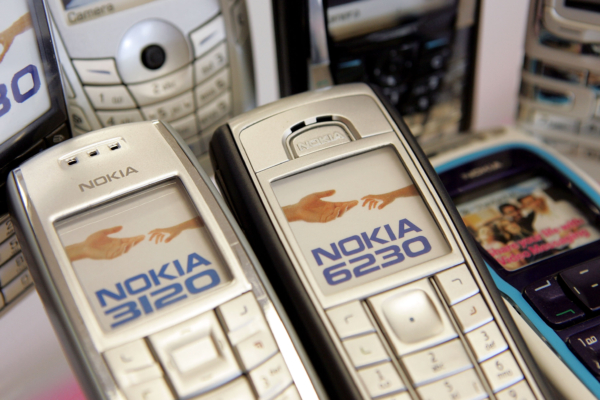
In the midst of most people using smartphones, a businessman in the Libyan capital, Tripoli, received a batch of old-fashioned Nokia phones produced by Nokia company, which were ordered 16 years ago. Despite being just a few kilometers apart from the sender, the shipment was delayed for so long due to the country experiencing a civil war.
According to Gulf News, on January 12th, after waiting for nearly 16 years, the man who owns a shop in Tripoli finally received the Nokia phones he ordered back in 2010.
Recently, this man opened the package to inspect these outdated keypad phones, and a video of his reaction went viral on social media, drawing incredulous laughter from people. His immediate response was, “Are these phones or antiques?!”
After the man placed the order, Libya soon descended into civil war and political turmoil, causing these phones to go missing until now when they finally reached his hands.
Despite both the sender and the recipient residing in Tripoli, just a few kilometers apart, the civil war and subsequent collapse of logistics and customs infrastructure led to the delay of this shipment for over a decade.
This batch of goods includes classic and high-end phone models that were once seen as status symbols. Observers point out that in just over a decade, mobile technology has developed so rapidly that these phones now resemble more like antiques rather than everyday items.
This incident also highlights the far-reaching impact of conflict on trade and daily commerce. Libya remains divided to this day, controlled by two opposing regimes, one in Tripoli and the other in the country’s east. Since the long-time leader Gaddafi was overthrown in 2011, this situation has led to continued instability and logistics disruption.
While many netizens are laughing off this event, some comment that it serves as a reminder of how war can disrupt businesses and supply chains. Others believe that these phones may now hold collectible value, akin to antiques.
Previously reported by Epoch Times, from the mid-1990s to 2008, the Finnish company Nokia nearly dominated the global mobile phone communication market. In 2000, Nokia’s market value reached around 286 billion euros, representing close to 40% of the global phone market share, contributing approximately 4% of Finland’s GDP.
However, the good times did not last. Nokia missed out on the smartphone development wave, underestimating the impact of Apple’s iPhone and Samsung’s Android phones. The company decided to sell its entire phone division to Microsoft in 2014, leading to the fading of the Nokia phone brand from consumers’ eyes.