
The Representative of the Republic of China (Taiwan) to Lithuania, Wang Xuehong, and the Representative of the Trade Mission of Lithuania, Paulius Lukauskas, signed a Memorandum of Understanding (MoU) on cooperation in the field of financial services innovation in the capital city of Vilnius on December 30. This agreement was signed on behalf of the governments of both parties.
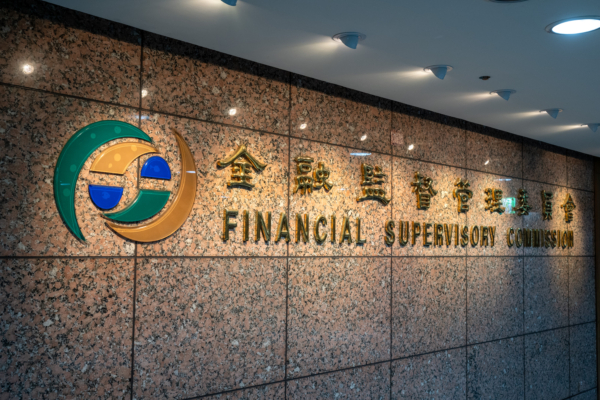
According to a press release by the Financial Supervisory Commission (FSC) of the Republic of China on December 31, the MoU details include provisions for exchanging information on emerging market trends, development, regulatory issues related to financial services innovation, and promoting cooperation among industries and on mutual concerns.
The FSC of the Republic of China has been actively enhancing exchanges and cooperation in financial technology with various countries. So far, they have signed agreements on financial technology cooperation with regulatory authorities in countries such as Poland, the United States (Arizona, New York, New Jersey), France, Canada, and Israel.
In addition, since May 2019, the FSC has joined the Global Financial Innovation Network (GFIN) as a member, engaging in exchanges and sharing of financial technology regulatory experiences and practices with other countries. GFIN is comprised of over 90 international regulatory agencies worldwide, dedicated to sharing and cooperating on financial innovation experiences among nations.
In recent years, there has been close interaction between the Republic of China and Lithuania. In July, the FSC approved Taiwanese banks to apply for the establishment of representative offices in Lithuania, further deepening financial cooperation. With the signing of this MoU, cooperation and exchanges on various issues related to financial services innovation between the two parties will be strengthened. The FSC will continue to actively establish networks with financial regulatory authorities of other countries through bilateral and multilateral channels for further collaboration.