
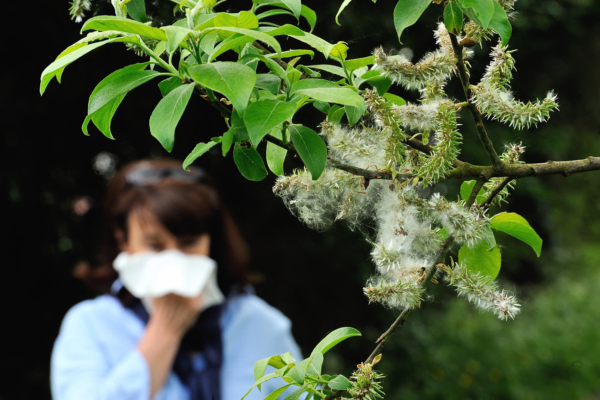
In New York City, the trees on the streets are quietly budding and blossoming, signaling the arrival of spring and the beginning of the annual allergy season. Experts point out that late March to early April is the peak season for tree pollen dispersal, causing symptoms such as sneezing, runny nose, and itchy eyes for those allergic to pollen, which may persist until the transition from summer to fall.
AccuWeather meteorologists indicate that the pollen levels in the New York area for 2026 are considered average. However, due to an unusually warm spell last month, the flowering time for trees has been accelerated by several weeks, extending the pollen season overall. The delayed first frost also suggests that the allergy season might become longer and more challenging to avoid.
Shauna Moore, the horticulture manager at the Brooklyn Botanic Garden, told Gothamist that spring allergies are mainly triggered by tree pollen, while grass and weed pollen take the relay in summer and fall, respectively.
Interestingly, the famous cherry blossoms in New York City are not the main source of allergies. Trees like birch, maple, poplar, and willow, with unassuming appearances, are actually the culprits. Unlike the adhesive pollen of cherry blossoms which rely on insect pollination, the pollen of these tree species is dispersed by the wind, making it easier to travel and be inhaled by humans.
According to otolaryngology experts, pollen allergies occur when the immune system mistakes pollen as “invaders” and triggers a reaction. Common symptoms include sneezing, nasal congestion, runny nose, itchy or watery eyes.
Compared to the common cold, allergies typically recur at the same time each year and last longer, while colds may be accompanied by fever and discomfort and usually resolve within a few days.
Furthermore, since different individuals have varying sensitivities to pollen types, some people may only experience symptoms in summer or fall.
Doctors recommend alleviating symptoms by taking antihistamines such as Zyrtec and Claritin or using nasal corticosteroid sprays like Flonase. Dry, windy weather conditions are prime for pollen dispersal, so it’s advisable to reduce outdoor activities during such times. Rain, on the other hand, can temporarily lower the concentration of pollen. It’s also important to keep windows closed to prevent pollen from entering indoor spaces.