
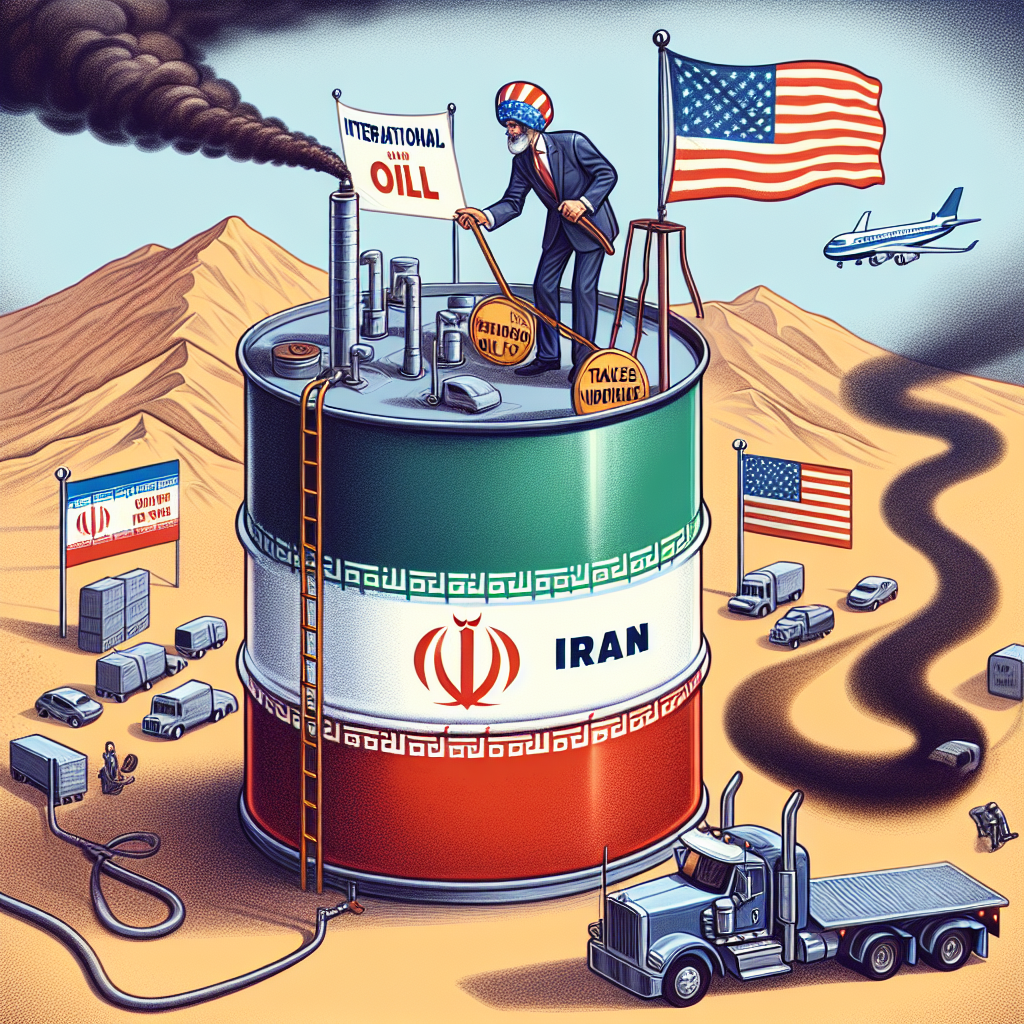
On Wednesday, March 25, international oil prices plummeted significantly. This was mainly due to President Trump of the United States indicating that Washington is in talks with Iran, raising market expectations that the tension in the Middle East may ease, alleviating global concerns about oil supply disruptions.
While some officials in Tehran continue to deny direct contact, rumors of diplomatic breakthroughs have significantly boosted market confidence.
According to CNBC, the international benchmark Brent crude oil futures dropped by nearly 6% to $98.31 per barrel. U.S. West Texas Intermediate (WTI) futures also fell by about 5% to $87.65 per barrel.
On Tuesday, President Trump stated in the Oval Office at the White House that progress has been made in negotiations to end the war with Iran, and significant concessions have been secured from Tehran.
Trump pointed out that as negotiations are ongoing, he has withdrawn previous plans to strike Iran’s energy infrastructure.
When asked to elaborate on the change in stance, Trump said, “They are talking to us and talking to us reasonably.”
Reports suggest that Washington has sent Iran a “15-point solution” aimed at ending the war. Sources revealed that this proposal was delivered through Pakistan, and it is currently unclear how widely it has been circulated among Iranian officials, and whether Israel supports the plan.
Furthermore, Israeli media revealed that U.S. Middle East envoys Steve Witkoff and Jared Kushner are working on a one-month ceasefire agreement.
Despite this, Iran denies direct dialogue between the two sides, with Iranian Parliament Speaker Mohammad Baqer Qalibaf dismissing such reports as “fake news.”
In response to the market reaction, Goldman Sachs’ Head of Commodity Research Daan Struyven pointed out that the current disruption in oil supply is the “largest in decades” when measured by global supply share, leaving the market in a high state of uncertainty.
Goldman analysts believe that current crude oil trading carries a “geopolitical risk premium,” but they predict that flow through the Strait of Hormuz is expected to return to normal in April.