
The United States Citizenship and Immigration Services (USCIS), also known as the Immigration Agency, announced on Friday (February 13) that they have received enough applications to reach the cap of 18,490 additional H-2B visa slots allocated for returning workers for the first batch of the fiscal year 2026. These additional slots, also known as supplemental quotas, have been fully allocated.
These visas are granted based on the Temporary Final Rule (TFR) for the 2026 fiscal year supplemental H-2B cap, specifically designated for returning workers whose job start dates fall between January 1 and March 31, 2026. Returning workers are defined as foreign workers who have lawfully held H-2B status in the US and worked in the past three fiscal years.
The deadline for submissions was February 6, 2026, after which no more applications for the first batch of H-2B visa supplemental slots for returning workers for the fiscal year 2026 were accepted.
The number of H-2B visa applications received by USCIS exceeded the quota for the first batch of returning worker visas for the fiscal year 2026. Following relevant regulations, USCIS conducted a random lottery to fairly distribute the visas while staying within the cap limit for the first batch of supplemental slots for the fiscal year 2026.
On February 13, USCIS conducted a random lottery for applications received from February 2 to February 6, 2026 (the first five business days after submission) and subsequently initiated expedited processing services.
For more information on the fiscal year 2026 supplemental visas, please refer to the “Temporary Increase in H-2B Nonimmigrant Visas for Fiscal Year 2026” page.
The H-2B visa is a temporary non-agricultural work visa that allows US employers to hire foreign workers for seasonal or short-term jobs when an adequate number of local workers is not available. (H-2A visas are used for agricultural work.)
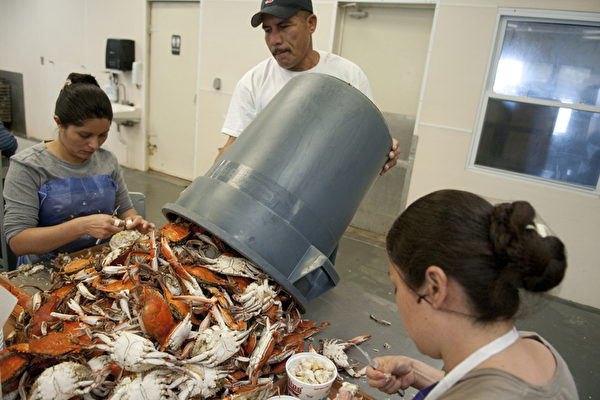
Common industries that utilize H-2B visas include tourism, hospitality, construction, landscaping, fisheries processing, ski resorts, and summer camps for seasonal work. The nature of the work must be temporary, with a maximum of 66,000 visas available each fiscal year split equally between the first and second half of the year.
US employers must first apply for temporary labor certification from the Department of Labor, then submit the I-129 application to USCIS. The visa validity is typically up to one year, extendable up to three years with a mandatory departure from the US for at least three months after the maximum period. Spouses and children under 21 can apply for H-4 visas but are not authorized to work in the US.
In some years, the US government releases additional supplemental H-2B visa slots, often prioritizing or specifically allocating them to returning workers. This facilitates employers in rehiring trained and familiar workers and makes it easier for workers to obtain visas again.