
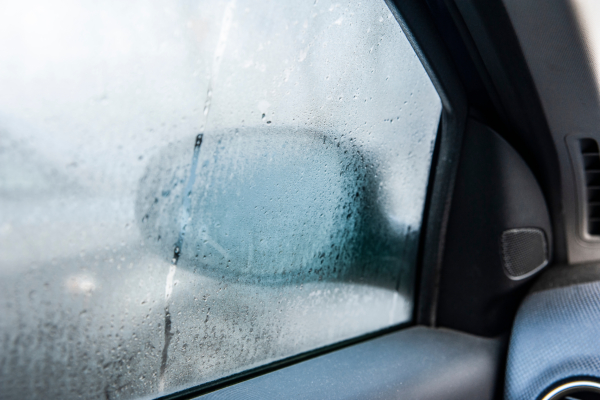
When people are driving, fogging up of windows or windshields can obstruct visibility, affecting driving safety. This situation is particularly common in the cold winter. Although cars are equipped with defogging devices, they may not always work immediately. So, is there any method to prevent car windows from fogging up? Let’s see what Toyota has to say on this issue.
Toyota’s UK branch pointed out that fogging up of car windows is a common issue for all vehicles. When moist warm air comes into contact with a cold surface (such as the windows), it condenses into water droplets. From the driver’s perspective, these numerous water droplets appear like fog.
Several factors could lead to condensation inside the car, causing windows to fog up:
– Wet clothing/shoes/pets: The moisture on these items will gradually evaporate into the air inside the cabin, potentially causing seats and carpets to become damp.
– Breathing: When you or your pet exhale, the air contains significant water vapor, which gets released into the cabin.
– Water leakage inside the car.
– Lack of proper air circulation.
Modern cars have better sealing, meaning they are more waterproof. Therefore, moist air inside the car is less likely to escape. Introducing fresh air by running the car helps reduce humidity inside.
Additionally, improved insulation in modern cars allows them to retain warmth for longer periods when parked. However, the longer the interior temperature is higher than the outside temperature, the more condensation forms on the windows, making fogging easier.
As water droplets accumulate inside the cabin due to condensation, humidity increases. If this trapped air is not expelled, the condensation issue worsens.
The most effective way to remove dampness inside the car is by using the vehicle’s air conditioning system. The system takes in air from inside the car, condenses the moisture in a controlled way via the evaporator, and releases it outside.
If the air inside the car is not regularly refreshed, condensation can occur since moist air remains trapped. However, switching from recirculation mode to fresh air mode can help force air exchange.
Don’t forget to activate the defogging function. Its design aims to quickly remove condensation on the windshield by blowing air directly onto the glass surface, effectively drying the interior of the glass.
By following the methods mentioned above, the amount of condensation in the car will decrease. However, condensation can never be completely eliminated, and some level of moisture will always be present inside the car.
The company emphasizes that one key method to prevent window fogging is to keep the inner side of the windows, especially the windshield, clean. Thoroughly cleaning these windows reduces the likelihood of fogging and ensures effective defogging if it does occur.
You can also purchase a car dehumidifier bag. This small pouch filled with silica gel balls can be placed on the dashboard continuously absorbing moisture from the air inside the car, preventing window fogging.
Of course, there are other items that can absorb moisture inside the car, offering the same preventive effect against window fogging.
An automotive expert from Swansway Motor Group in the UK shared a low-cost and effective method to combat fogging, which involves using cat litter.
The expert stated, “Cat litter, especially clay-based ones, are designed to absorb moisture, making it a perfect material to reduce humidity inside the car.”
By filling a sock with cat litter, sealing it with tape, and placing it on the car’s dashboard or rear parcel shelf, you can create a natural dehumidifier to prevent condensation on the windows.