
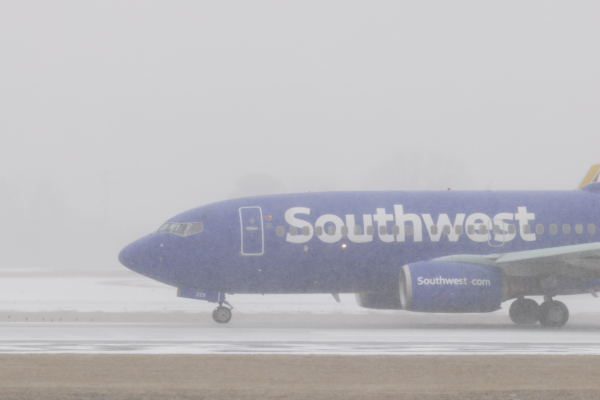
With the massive winter storm “Winter Storm Fern” sweeping across the United States, thousands of flights were forced to be canceled over the weekend, leaving countless passengers stranded at airports. Faced with this snow and ice threat described by meteorologists as “catastrophic,” understanding your rights is key to recovering losses: according to U.S. federal law, if a flight is canceled, the airline must provide a full refund.
According to the latest regulations from the U.S. Department of Transportation (DOT), if your flight is canceled and you decide not to travel anymore or have found alternative transportation, the airline is required by law to refund your ticket – even if you purchased a “non-refundable” ticket.
New automatic refund regulations:
In accordance with the federal law that went into effect at the end of 2024, if passengers do not accept alternative flights or vouchers, airlines must automatically initiate refunds instead of requiring passengers to apply for them.
Refund timelines:
For those who paid using a credit card, refunds should be processed within 7 business days; for those who paid with cash or check, it is within 20 calendar days.
Additional service fees:
Passengers also have the right to request refunds for unused baggage fees, seat selection fees, Wi-Fi, and other additional service charges.
Stranded accommodation and food are the most common difficulties passengers encounter: the U.S. Department of Transportation does not require airlines to compensate passengers for food or accommodation costs in the event of “uncontrollable” circumstances such as weather disturbances.
However, each airline has its own internal policies. For example, American Airlines based in Texas has announced waiving change fees for passengers affected by the storm and has increased flights after the storm. If the disruption is caused by controllable factors such as maintenance or shortage of crew members, passengers may request meal vouchers or hotel accommodations.
Plan ahead:
Passengers should closely monitor weather forecasts. When airlines anticipate severe impacts from a storm, they typically issue “travel alerts,” allowing passengers to change their itineraries free of charge.
Use airline apps:
Before heading to the airport, make sure to check the flight status through the airline’s app. In states like Michigan where visibility is extremely low due to “whiteout” conditions, rushing to the airport may increase the risk of getting stranded.
International helpline:
When domestic customer service lines are overwhelmed due to widespread flight cancellations, try calling the airline’s international customer service number (such as in Canada or the UK), where agents are usually able to assist with rebooking and have shorter wait times.
As of Saturday afternoon, the number of canceled weekend flights across the United States has approached nearly 12,000. Will Rogers World Airport, the largest airport in Oklahoma, had to implement a complete shutdown due to ice covering the runways exceeding deicing capabilities. FlightAware data shows that the entire U.S. aviation network is under immense pressure, and even after the storm passes, it will take several days to resume normal operations.
(Translated and revised from the original news report)