
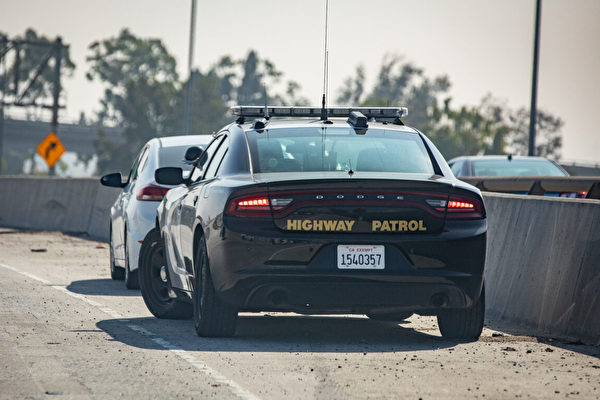
In 2025, California Governor Gavin Newsom signed nearly 800 bills, many of which focus on traffic and public safety regulations, with violators facing potentially hefty fines.
These new laws are set to officially take effect on January 1, 2026.
One such bill, AB289, authorizes the California Department of Transportation to establish a pilot program for construction zone speed limit safety systems. This program aims to monitor instances of speeding by utilizing fixed or mobile radar/laser detection systems, capturing clear images of license plates for any violations. Registered vehicle owners of the offending vehicles will receive citations. The program will also outline specific details regarding enforcement, fines, and the appeals process.
Starting in 2026, AB382, also known as the School Zone Speed Limit Act, allows local governments to independently lower the speed limits within school zones from 25 mph to 20 mph through ordinances or resolutions. Additionally, as of January 1, 2031, with clear signage in school zones, the speed limit will automatically decrease to 20 mph without the need for additional legislation.
Under AB1085, the production of any products in California aimed at obstructing or interfering with the visibility of license plates to evade electronic camera detection is deemed illegal, punishable by fines of up to $1,000.
AB390 expands California’s existing “Slow Down, Move Over” law to include any vehicles parked on the roadside with flashing lights or warning signs (including road maintenance vehicles). Drivers approaching such vehicles must either change lanes to give way or reduce speed if unable to change lanes.
Effective from 2026, AB544 mandates that electric bicycles must be equipped with red reflectors or red fixed/flashing lights at the rear whenever they are on the road, not just restricted to nighttime operation.
As per current regulations by the California Department of Motor Vehicles (DMV), individuals usually have to wait for a license reissue to display an updated address after informing the DMV of an address change. However, starting in 2026, SB506 will allow individuals to directly request for a replacement license displaying the new address after updating their address with the DMV.
Under AB486, possessing key programming devices, key duplication devices, or signal boosters and intending to engage in criminal activities will constitute a misdemeanor, punishable by a maximum of six months in county jail, a $1,000 fine, or both.
AB366 extends the ignition interlock device pilot program related to California’s DUI cases until January 1, 2033. The ignition interlock device is a breathalyzer device that prevents a vehicle from starting if alcohol is detected.
From October 1, 2026, SB766 stipulates that consumers purchasing used vehicles under $50,000 from California dealerships can request a refund within three days, provided the vehicle remains undamaged, with no significant increase in mileage. The law also requires dealerships to disclose all costs upfront and prohibits the imposition of additional fees that do not benefit the buyer. However, this law does not apply to private transactions.
AB1272 prohibits business entities holding DMV occupational licenses (i.e., partners authorized to provide DMV services) from using “DMV” or “Department of Motor Vehicles” in their domain names to prevent consumer confusion.
These are just a few of the new laws taking effect in 2026. For more information on additional legislation, you can refer to the official websites of the California State Assembly and Senate. This article is intended for general informational purposes only, and Epoch Times does not provide investment, tax, legal, real estate planning, or other personal financial advice. ◇