
In a report published by “Times Union,” a major media outlet serving the Albany region, New York state’s capital, two in-depth investigations were released on March 23, exposing hundreds of non-profit organizations in New York state allegedly violating state and federal laws by illegally providing donations or campaign support to candidates or political action committees (PACs). Brooklyn was specifically identified as the most problematic “hot spot.”
Over the past 25 years, Brooklyn has seen over 100 501(c)(3) non-profit organizations that are legally prohibited from engaging in election activities, providing funds or assistance to candidates or political organizations, with a scale more than twice that of other areas in the state. However, lax oversight and enforcement have created systemic loopholes, with relevant agencies and candidates “hardly worried about legal consequences.”
Under the Internal Revenue Code, 501(c)(3) non-profit entities enjoy tax-exempt status and donation deduction qualifications, but they are explicitly prohibited from participating in any political campaign activities, a prohibition that was also enshrined in New York state law in 2019.
Yet, the investigation by “Times Union” revealed that since 1999, at least 650 non-profit organizations in the state have been involved in over 1,000 political donations, totaling over $400,000, with only about a quarter of the contributions being returned, while the rest were used.
Many of these organizations still claimed “no involvement in political activities” when reporting to the IRS, with very few facing audits.
The investigation revealed that some of the controversial organizations include certain groups within the Chinese community, such as associations and cultural organizations. While these organizations are mainly involved in cultural activities, community services, and welfare assistance, reports indicate instances where they have been involved in election mobilization efforts.
Interviewees from the media pointed out that some organizations engage in politics to secure more government funding, while others believe that certain immigrant groups may lack understanding of the law due to language and institutional differences.
Susan Lerner, Executive Director of the New York charity organization Common Cause, stated that if support is provided in exchange for funding, it approaches “public corruption.”
The revealed behaviors included non-profit organizations reserving candidate fundraising dinner seats under their names, posting campaign signs in offices, publicly urging members to vote at events, and using the organization’s name to endorse candidates. Some non-profit organizations later received grants from legislators, raising concerns about potential conflicts of interest.
The report by “Times Union” emphasized that non-profit organizations are expected to maintain political neutrality, and if they become tools for election mobilization, it not only violates the law but also erodes public trust in the fairness of elections.
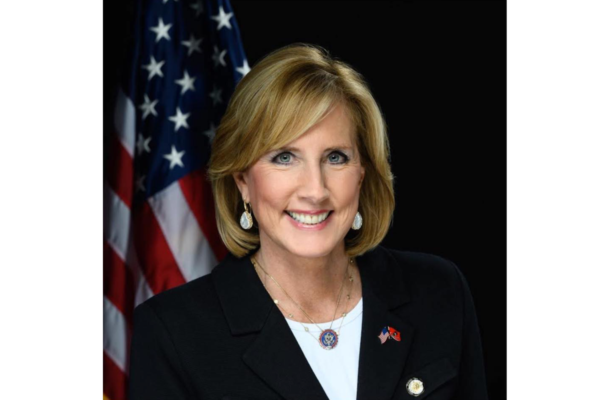
In response to the report’s attention, on March 24, Congresswoman Claudia Tenney from New York sent letters to the Internal Revenue Service (IRS) and the Treasury Department requesting an investigation into the relevant non-profit organizations and considering revoking the tax-exempt status of non-compliant entities. The letter pointed out that if charitable organizations violate the ban on political activities, it would undermine public trust in the electoral system and even shake the foundation of democracy.
Under public pressure, the State Attorney General’s Office’s Charities Bureau stated that they would continue to review the situation. The State Department of Taxation and Finance also mentioned they would examine the issues raised in the report. At the local level, some audit and oversight officials have begun reviewing the donation records of non-profit organizations in their jurisdictions.
Meanwhile, some candidates and organizations have started returning suspicious donations and reviewing their compliance processes.
However, several lawmakers and watchdogs have noted that the current enforcement mechanism tends to focus on warnings rather than penalties, and with limited resources and dispersed responsibilities, it is difficult to detect and prevent violations promptly.
Legislators have proposed incorporating the federal prohibition on 501(c)(3) political activities explicitly into state election law and enhancing enforcement efforts. Public policy groups have also called for hearings to comprehensively examine the phenomenon of non-profit organizations getting involved in elections and their impact on the fairness of elections.
Within the Chinese community, there are differing opinions on the issue. Some believe that non-profit organizations should not engage in politics, but their members or volunteers, as citizens, can legally support candidates. Others have pointed out that when an organization’s name, resources, or network are actually mobilized in election activities, it could lead to unfair competition and shift focus away from policy platforms and performance-based elections.