
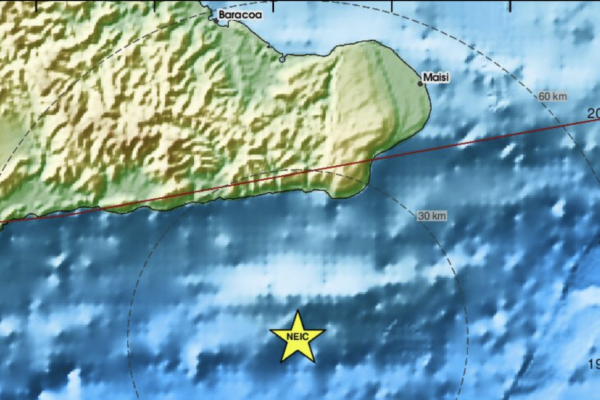
European Mediterranean Seismological Center (EMSC) issued a warning on Tuesday (March 17) that a 5.8 magnitude earthquake struck Cuba at 4:28 am local time. The earthquake had a shallow depth of 12 kilometers. Over the following two hours, several aftershocks ranging from 4.7 to 3.3 magnitudes and depths between 1 to 10 kilometers occurred. The current casualties and damages are unknown.
Prior to this seismic event, Cuba experienced a massive island-wide blackout on Monday (March 16), leaving approximately 11 million people in darkness. This was the third major power outage in the country within four months. It is unclear whether the earthquake will exacerbate the disruptions in the power supply.
Experts believe that the recurrent power outages in Cuba could be attributed to the severely outdated and neglected electrical grid infrastructure that has long surpassed its operational lifespan without proper maintenance.
These recent natural disasters have raised concerns about the resilience of Cuba’s infrastructure and highlighted the urgent need for modernization and reinforcement to enhance the country’s ability to withstand such crises in the future. The government and relevant authorities are urged to prioritize investments in upgrading the electricity grid and improving disaster preparedness to safeguard the well-being of the population.
The seismic activities in the region have also prompted calls for increased monitoring and early warning systems to better predict and mitigate the impact of potential earthquakes. Collaborative efforts between international and local institutions are essential to enhance disaster resilience and ensure timely responses to emergencies. Additionally, public awareness campaigns on earthquake safety measures and evacuation procedures should be intensified to mitigate risks and protect lives during seismic events.
As the recovery efforts and damage assessments are underway in the aftermath of the earthquake and power outage incidents, it is crucial for the Cuban government to address the systemic vulnerabilities in the infrastructure and institute comprehensive measures to prevent future disruptions and minimize the socio-economic impact of such disasters on the population. Collectively, proactive measures and investments in sustainable infrastructure development will be vital to enhancing Cuba’s resilience in facing unforeseen natural calamities and ensuring the safety and security of its citizens.