
Many first-time visitors to Japan are often attracted by the ancient temples and futuristic cities, but what leaves the deepest impression on them is usually the clean streets, punctual trains, and exquisite cuisine. However, to immerse oneself in the local customs and culture effortlessly and enjoy a worry-free journey, it is essential to not only understand the travel regulations but also to grasp the local customs and cultural etiquette.
Sometimes, a seemingly trivial gesture can be “crucial.” Here are the top 10 “must-know” tips for tourists visiting Japan in 2026:
In Japan, excellent service is taken for granted. If you leave cash on the table, the server may come after you, thinking you have lost your money. The best way to express gratitude is to politely say “Gochisousama” (thank you for the meal) or simply nod.
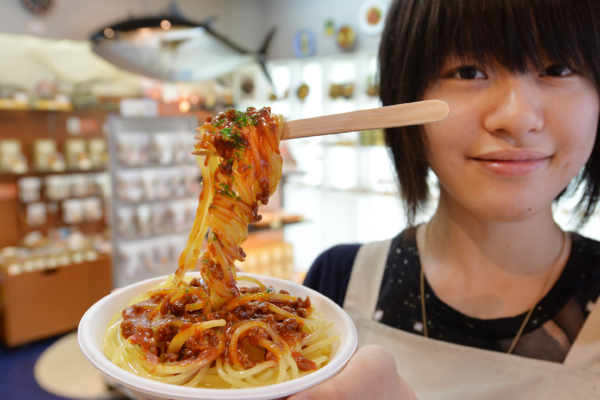
Contrary to Western etiquette, slurping when eating ramen, soba noodles, or udon is not only fully accepted but encouraged. This not only brings in air to enhance the aroma but also signifies the deliciousness of the noodles, which is why chefs never tire of hearing it.
Absolutely do not stick your chopsticks vertically into rice or pass food directly to others with chopsticks. These actions are culturally akin to funeral rituals in Japan and are considered extremely unlucky taboos.
Furthermore, when dining, lift the bowl to eat, avoiding leaning over the table. Also, try not to eat while walking to avoid being seen as impolite.
Upon entering a shop, the staff will enthusiastically greet you with “Irasshaimase” (welcome). This greeting is intended to create an atmosphere, and tourists usually do not need to respond verbally – initiating conversation may even make the staff feel embarrassed. A nod of acknowledgement or a polite smile is sufficient.
Public trash cans are extremely rare in Japanese cities. Tourists should get into the habit of carrying plastic bags with them to dispose of the garbage generated on that day back at the hotel or look for categorized trash bins at convenience stores (Konbini).
Here is an important new regulation: starting in 2026 (expected to be fully implemented), Japan will switch to a “paying the tax-inclusive price upfront and then refunding the tax before departure” system. This aims to combat illegal resale activities.
Please be sure to allocate more time to handle tax refunds at the airport.
When boarding the Shinkansen, oversized baggage exceeding a total length, width, and height of 160 cm must be reserved in advance for luggage space; otherwise, a handling fee of 1,000 Japanese yen (approximately $6.3 USD) will be charged.
Some JR train stations have begun testing “facial recognition gates,” allowing holders of electronic tickets to pass through directly by scanning their faces in the future.
Tokyo (Kanto): Stand on the left, pass on the right.
Osaka (Kansai): Stand on the right, pass on the left.
Additionally, please note that in recent years, many cities (such as Nagoya and Saitama) have started promoting “no walking in elevators, stand on both sides” to maintain safety.
On Japanese trains, mobile phones should be set to “Manner Mode” (silent mode). Passengers should not answer calls and should lower their conversation volume.
Maintaining quiet in public spaces is at the core of Japanese society’s practice of “reading the air” (understanding the atmosphere).
In response to Overtourism, between 2025 and 2026, more and more tourist attractions (such as museums, historic sites, some restaurants) have started charging higher entrance fees or service fees for foreign visitors. This additional income will be utilized for cultural heritage preservation.
(This article referenced reports from BBC, among others)