
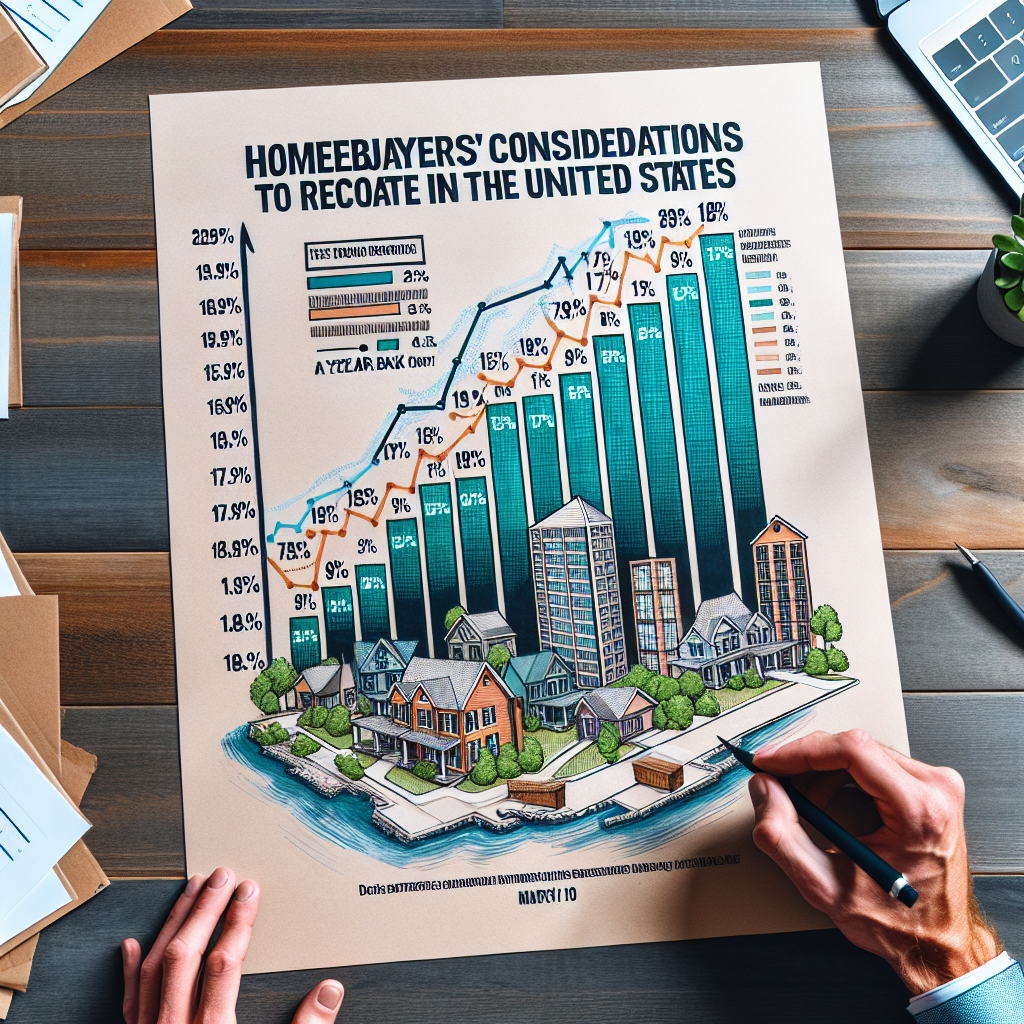
In the fourth quarter of 2025, 18.8% of homebuyers in the United States are considering relocating to other domestic areas, according to a statement by real estate brokerage company Redfin on March 10. This percentage is higher than the 17.9% from a year ago and surpasses the 15.9% during the peak of the COVID-19 pandemic five years ago.
During the COVID-19 pandemic in 2020 and 2021, the average weekly interest rates for 30-year fixed-rate mortgages fluctuated mostly between 2.5% to 3.5%, as per Freddie Mac data. The pandemic also led to the widespread adoption of remote work, prompting many individuals to choose to relocate. Over the following years, mortgage rates started to rise, reaching a peak of 7.79% in October 2023 before dropping to 7.04% in January 2025 and continuing to decline. As of the week ending March 4 this year, the rate stands at 6%.
“With declining mortgage rates and an increase in housing inventory in the market, there has been a rise in population movement across different regions in the United States in 2025,” Redfin stated. “Despite the sluggish pace of home sales, more buyers and renters are able to relocate. Remote work continues to be more prevalent than pre-pandemic times, allowing more Americans to consider moving based on cost of living or lifestyle without having to change jobs.”
At the city level, Sacramento in California is the most popular relocation destination, followed by Las Vegas in Nevada, and Cape Coral-Fort Myers, North Port-Sarasota, and Miami in Florida. Los Angeles is the metropolitan area with the highest outflow of homebuyers in the U.S., followed by New York, San Jose-San Francisco, Seattle, and Chicago.
On a state level, Florida is the most favored destination. Redfin indicates that South Carolina, Arizona, Nevada, and Tennessee were also popular relocation destinations for homebuyers in the fourth quarter of 2025.
Simultaneously, there are signs of improvement in housing sales and affordability. According to a report released by the National Association of Realtors (NAR) on March 10, existing home sales in the U.S. increased by 1.7% year-over-year in February. Additionally, the NAR’s Housing Affordability Index improved for the eighth consecutive month in February, reaching 117.6, the highest level since March 2022.
Housing and Urban Development Secretary Scott Turner remarked on X platform on March 10 that there has been an improvement in housing affordability across the U.S., attributing it to the economic policies of President Trump.
In January of this year, President Trump signed executive orders limiting Wall Street companies from purchasing single-family homes nationwide. He also directed the purchase of $200 billion in mortgage-backed securities, expected to lower mortgage rates and reduce monthly payments. The Trump administration is also considering introducing 50-year mortgage loans to decrease monthly payments, issuing a national housing emergency declaration to expedite development progress, and opening federal lands for housing construction.
While housing affordability is improving, “consumers are also responding,” noted Lawrence Yun, chief economist at NAR, stating that the U.S. still has a long way to go to recover to pre-pandemic levels of housing transactions. In comparison to 2019, the U.S. currently has over 6 million excess job openings, but annual home sales have decreased by 1 million units.
Yun also expresses concern about the slow growth rate of housing inventory. He mentioned, “If demand significantly rebounds in the coming months and surpasses the supply growth, housing prices will inevitably rise. This is why increasing supply is crucial as it helps to limit price hikes, improve housing affordability, and drive transactions.”
Real estate platform Zillow reported on March 4 that the housing market is beginning to regain confidence. Home prices saw their first increase in seven months in February, while existing home sales also showed annual improvement. The decrease in mortgage rates has roughly increased purchasing power for median income households by $30,000 over the past year. The report highlights, “Zillow expects 2026 to be the first year of significant sales growth since 2021. If mortgage rates continue to fall below 6%, it may lead to a psychological boost, encouraging more buyers and sellers to re-enter the market.”