
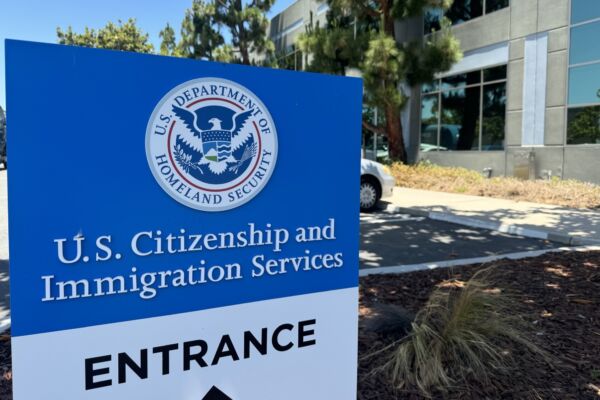
Marriage immigration interviews can be a nerve-wracking test for many couples. Some start “studying” a month in advance, while others find themselves unable to sleep the night before. However, in reality, this interview is not a quiz about memorization but a verification of real-life experiences.
Immigration officials are not looking for scripted responses but rather to see if you truly live together and know each other well. The authenticity of your marriage cannot be proven just by a marriage certificate but must be observed through your interactions, memories, and details.
Therefore, officials will use seemingly trivial questions to observe the naturalness and consistency of your answers. Fluent yet stiff answers can raise suspicions, while slight discrepancies filled with real-life feelings and emotions can actually instill more trust.
Here are the ten most common questions asked during marriage immigration interviews:
1. How did you meet?
This is the opening question and the first step in observing the interaction between the spouses. Officials hope to hear a natural, detailed story rather than a rehearsed answer.
2. When did you start dating?
This question helps officials understand if the timeline makes sense and aligns with the normal development of a relationship.
3. Who proposed?
This question tests the memory of both individuals and reflects the dynamics of the relationship. Different answers are not necessarily a problem, but they should have supporting real-life scenarios.
4. Where was the wedding held?
It doesn’t have to be lavish, but if both parties cannot recall the venue, officiant, or guests, it might raise suspicions that the wedding was merely a formality.
5. Who cooks at home?
Officials use this question to observe the division of household responsibilities and to understand if you truly cohabit.
6. What does your bedroom look like?
This is a classic question. Officials will check if you know details about the layout of your home, the color of your bedsheets, what hangs on the walls, and other specifics.
7. When was the last time you went on a trip together?
Being able to mention specific details such as the location, season, and mode of transportation can make your answer more natural and believable.
8. Birthdays? Parents’ names?
These are basic questions. If answered incorrectly, it’s usually due to nervousness rather than lack of familiarity. Take a deep breath before responding.
9. Which side of the TV is placed?
This seemingly odd question is actually used to confirm if you indeed live together.
10. Who manages finances? Who pays the bills?
Financial trust is an important aspect of marriage. If both parties handle finances separately, it needs a reasonable explanation.
The key to the interview is not to “get the right answer” but to “answer truthfully.” Immigration officials observe your eye contact, tone, thought process, and interaction style. If one person makes a mistake and the other corrects it with a smile, it appears more genuine. Having rehearsed responses that lack emotion can seem deliberate.
It is recommended to review life details together before the interview, such as important dates, shared experiences, home arrangements, daily habits, family members, friends, and holiday activities. However, do not memorize lines. Real memories will naturally have slight differences.
Immigration officers do not expect you to remember every detail. Having seen thousands of couples, they know what “living life together” looks like. Officials want to witness a natural familiarity and unadorned interaction.
Real spouses do not need to act. You may mix up dates, and colors, but the understanding shared in your eye contact is the best response.
The marriage immigration interview is a test of authenticity. It’s not about who answers accurately but about who lives truthfully.
Life’s details will speak for themselves, and time will testify. As long as your marriage is genuine, every question will be an opportunity to showcase true emotions.
(Note: This article serves as general information and observations on immigration procedures and practices. It does not constitute legal advice for any specific case. The outcome of individual cases depends on the facts and applicable laws. In case of personal matters, consulting a qualified immigration lawyer is advised.)