
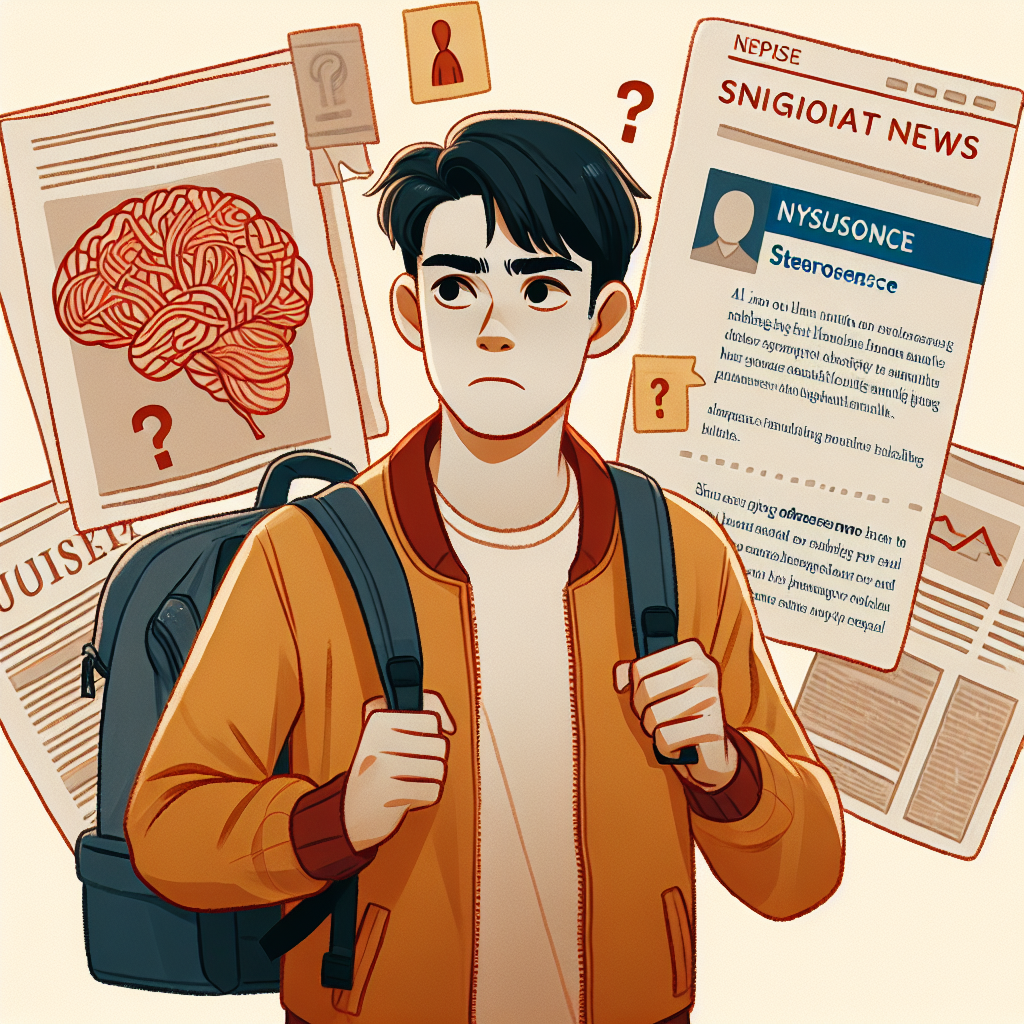
The Trump administration expanded the implementation of the “Travel Ban” as 21-year-old Burmese student Patrick Thaw, studying neuroscience at the University of Michigan, found himself unable to return to campus after traveling overseas for a summer internship.
According to the Associated Press, Thaw arrived in Ann Arbor, Michigan in 2023, where he actively participated in Alzheimer’s research and joined a biology fraternity. Last June, he went to a medical school in Singapore for a clinical research internship. However, during his student visa renewal interview, President Trump signed an expanded travel ban affecting multiple countries.
“If I had known, I wouldn’t have left the United States,” Thaw said in an interview with the Associated Press. Currently, he is “stranded” in Singapore, only able to watch his friends begin the new semester at the University of Michigan through FaceTime.
President Trump signed the expanded travel ban on December 16, 2025, and it officially took effect on January 1, 2026. The ban aims to address “foreign terrorist infiltration” and “national security threats” and targets 19 core countries including Myanmar, Afghanistan, Iran, Libya, Somalia, Sudan, Yemen, Haiti, Syria, Mali, and others.
Immigrant and non-immigrant visas for citizens of these countries, including F-1 student visas and J-1 exchange visas, have been fully suspended for entry.
Additionally, starting from January 21, immigrant visa issuance has been suspended for an additional 75 countries to reassess whether applicants may rely on U.S. government assistance.
The U-M International Center has issued an emergency notice to all international students and scholars, strongly advising all individuals holding F-1 or J-1 visas to avoid leaving the United States during 2026 unless absolutely necessary.
The university warned in a statement that once abroad, even with a valid visa, individuals may face risks such as visa appointment suspensions, enhanced background checks, or entry bans.
While the University of Michigan refrained from commenting on Thaw’s case specifically, they emphasized their commitment to providing remote learning or solutions for affected students to study at partner international campuses (such as in Australia or Canada).
For Thaw, the wait for the ban to be lifted seemed too distant. He has decided to give up hope of completing his studies at the University of Michigan and instead has applied to universities in Canada and Australia. He has already received acceptance notifications and hopes to attend the University of Toronto, which is only a four-hour drive from Ann Arbor, making it convenient for friends to visit him.
According to the NAFSA: Association of International Educators, the number of new international students enrolled for the spring of 2026 in the United States has significantly declined, with some institutions anticipating a decrease in fall enrollment by 30% to 40%.
In multiple speeches around 2026, Trump reiterated his desire to establish a “merit-based” immigration system. He emphasized the need for the U.S. to attract the “brightest minds” globally, especially graduates in artificial intelligence (AI), quantum computing, and key technology fields.