
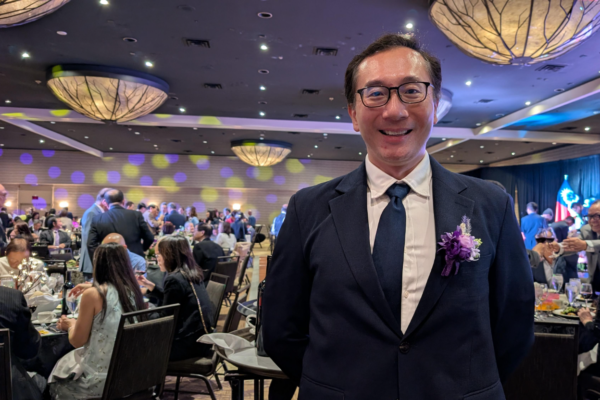
With the confirmation of the reduction of tariffs between the United States and Taiwan to 15%, this significant economic trade advantage is seen as a key signal for the deepening of the Taiwan-US supply chain, expected to drive a new wave of Taiwanese companies establishing manufacturing plants in the US. However, lawyer Chen Qigeng, managing partner of Green Maple Law Group, warns that despite the lowering of tariff barriers, the US immigration regulations have not been relaxed in sync. Companies rushing to seize the “Made in America” business opportunities may face severe legal risks if they overlook visa compliance.
Chen Qigeng believes that the tariff reduction demonstrates the US’s active strengthening of economic partnerships with Taiwan, aiming to encourage Taiwanese companies to shift production capacity to the US to create local employment and production value. Analyzing companies like TSMC’s presence in Arizona, he points out that as major players expand their operations, downstream supply chains are bound to follow suit. The tariff incentives will push midstream and downstream suppliers, who previously hesitated due to cost considerations, to accelerate their expansion in the US market.
Especially under the recent strong emphasis on the “Made in America” policy in the US, if Taiwanese small and medium-sized enterprises can establish actual manufacturing operations, it will significantly enhance their chances of obtaining US orders.
However, Chen Qigeng reminds business owners that the benefits of economic trade policies have not been reflected in immigration and visa systems. As of now, the US government has not proposed any special visa relaxation measures for Taiwan or other countries, meaning companies dispatching personnel to the US still need to strictly abide by the law.
Looking at the common visa requirements for Taiwanese businesses, Chen Qigeng points out that the primary legal avenues currently include the L1A intracompany manager visa and the E2 treaty investor visa. The L1A visa is mainly for senior executives within multinational corporations, while the E2 visa, due to its relative flexibility, is suitable for Taiwanese companies setting up operations in the US and sending managers or technical personnel, becoming one of the fastest-growing visa types in recent years.
“Proactive planning does not equate to hasty actions, compliance remains key,” admits Chen Qigeng. He emphasizes that many Taiwanese businesses have in the past mistakenly believed that holding a business visa (B1) or visa waiver (ESTA) would allow employees to enter the US to assist in setting up or operating facilities, which is a common and dangerous misconception.
“Misusing visas not only affects the individual employee’s entry record but the company itself may be flagged by US immigration authorities as high-risk,” warns Chen Qigeng. The US immigration agency keeps comprehensive records of violations, and once a company is marked as a repeat offender, even future legal visa applications will face stricter scrutiny.
Citing the case of the 2025 Hyundai and LG plant construction project in Georgia where improper use of personnel visas attracted considerable attention and regulatory intervention, he stresses the importance of compliance on the corporate level.
Aside from corporate compliance, Chen Qigeng also highlights the personal legal risks faced by non-US citizens. Referring to a recent case where a Chinese billionaire was arrested by ICE on Saipan, he explains that even with legal visas or green cards, involvement in criminal cases, being wanted, or concealing information during the application process can lead to disqualification, arrest, or deportation.
In light of the new economic and trade landscape between Taiwan and the US, he urges companies and individuals planning to go to the US to properly store identity documents and have a clear understanding of their visa privileges.
“Operating legally, truthfully declaring, and employing in compliance are the three fundamental principles for Taiwanese businesses to achieve long-term and steady development in the US market,” concludes Chen Qigeng. 🌟