
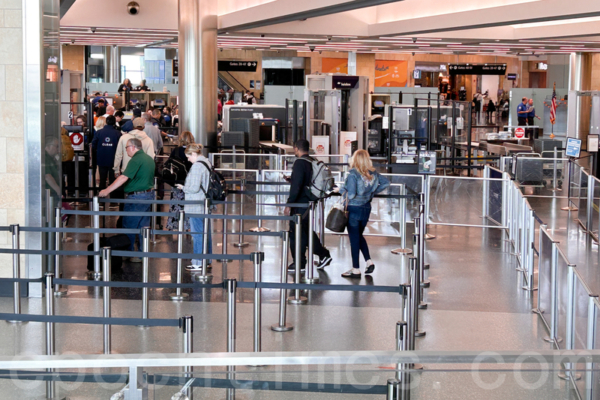
Starting from February 1, 2026, the Transportation Security Administration (TSA) in the United States will introduce a new modernized TSA identity verification system, providing a new option for passengers who do not have valid identification documents to use for air travel. Passengers will be able to utilize this optional alternative identity verification system by paying $45, catering to those in need of a pathway for air travel.
Since the enforcement of the REAL ID requirement by the Department of Homeland Security starting from May 7, last year, some U.S. residents who still do not possess this new form of identification face restrictions on their travels.
According to a report released by the Transportation Security Administration, a subsidiary of the Department of Homeland Security, in December of last year, over 94% of passengers have complied with the new regulations. The remaining passengers who do not meet the requirements may risk being denied boarding at TSA checkpoints, but they will soon have a new option to continue through security checkpoints and complete their journeys.
Effective February 1, the TSA will launch a new “TSA ConfirmID” system for such passengers.
Adam Stahl, the Acting Deputy Director of TSA, stated in a press release issued last Thursday, January 15th, “For passengers who arrive at TSA checkpoints without valid identification documents, TSA ConfirmID will be an optional solution. Affected passengers can opt to pay $45 and utilize the TSA ConfirmID process. This fee ensures that the costs of processing passengers without acceptable identification documents are borne by the non-compliant passengers rather than taxpayers. To avoid delays or missing flights, all passengers should ensure they have valid identification documents before heading to the airport.”
The TSA mentioned in the press release that effective February 1, affected air travelers should take note of the following issues:
– All air travelers using TSA ConfirmID will undergo additional identity verification, security measures, and potential delays.
– Passengers arriving at checkpoints without valid identification documents or who have not paid the fee for using TSA ConfirmID will face additional delays, potentially resulting in missed flights.
– Passengers must plan ahead to ensure they possess acceptable identification documents to avoid these added delays, as the process could take up to 30 minutes.
As per the explanation provided by the Transportation Security Administration, the identity verification completed through TSA ConfirmID is valid for 10 days. As long as your return flight falls within this 10-day validity period, you will not need to go through the process again for identity confirmation.
The TSA specifies that if you do not have a REAL ID, the following forms of identification can also support your boarding at the airport:
– Enhanced Driver’s Licenses (EDL) or Enhanced Identification Cards (EID) issued by states;
– U.S. Passport;
– U.S. Passport Card;
– Department of Homeland Security Trusted Traveler Cards (Global Entry Card, NEXUS Card, SENTRI Card, FAST Card);
– U.S. Department of Defense ID, including IDs issued to family members;
– U.S. Permanent Resident Card (Green Card);
– Transit Cards;
– Recognizable, photo-bearing tribal issued identification from federally recognized tribes and bands, including Enhanced Tribal Cards (ETC);
– HSPD-12 PIV Cards;
– Foreign Government-Issued Passports;
– Canadian provincial driver’s licenses or Indian and Northern Affairs Canada Card;
– Transportation Security Worker Identification Certifications;
– U.S. Citizenship and Immigration Services Employment Authorization Card (I-766);
– U.S. Merchant Mariner Credential;
– Veteran Health Identification Card (VHIC).
Of course, you can also travel with a passport. The Transportation Security Administration states that when traveling within the United States, a passport book or passport card serves as a valid substitute for REAL ID. If you are traveling internationally, a passport is indeed necessary.