
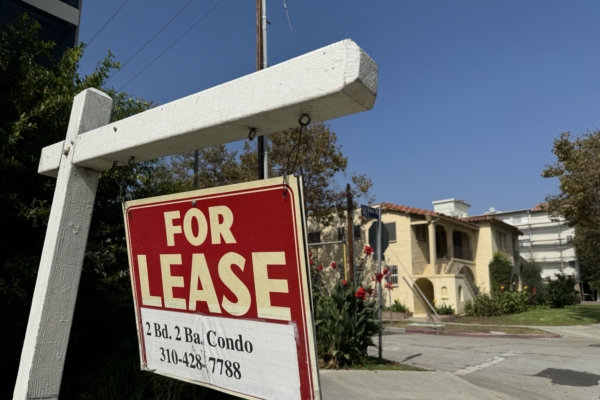
Entering 2026, many new leasing housing laws in California have come into effect, directly impacting landlords and tenants. These new laws cover various aspects such as deposit refund methods, rental property appliances, and internet services.
California laws related to renting tend to strengthen tenant protections. The California Apartment Association reminds landlords that understanding the new regulations in advance can help avoid many troubles and protect the rights of both parties.
The “AB628 bill” mandates landlords to provide functioning stoves and refrigerators for rental properties. This regulation applies to all new leases, renewals, or modifications of lease agreements.
After the implementation of the new law, landlords cannot use “tenants must provide their own refrigerator” as a rental condition. If a tenant chooses to provide their own refrigerator, the landlord is not responsible for its maintenance but must have a written agreement with the tenant stating the choice to provide and maintain the refrigerator.
Moreover, the lease must include specific terms for tenants to retain the right: as long as the tenant gives written notice 30 days in advance, they can request the landlord to provide a refrigerator.
The “AB414 bill” stipulates that if a tenant pays deposits or rent through electronic transfers like Zelle, PayPal, Apple Pay, landlords must refund the amount in the same electronic manner unless otherwise agreed upon in written agreements between the landlord and tenant. If agreed, the deposit settlement details can be sent via email.
In situations where there are multiple adult tenants in a rental property and the tenants do not provide instructions, the landlord must refund the remaining deposit in check form as per regulations. The check must be made out to all adult tenants’ names and sent to one former tenant, or the refund can be made via electronic transfer unless otherwise agreed upon in writing.
According to current California law, landlords must always take photos to record the condition of the property, including photos before a tenant moves in, after a tenant moves out and before any repairs or cleaning have been done, as well as before and after photos of repairs and cleaning.
When a tenant vacates the property, as long as the property is clean, the landlord must refund the full deposit; if the tenant has damaged the property or incurred additional cleaning fees, the landlord must provide photo evidence to deduct from the deposit.
Based on the existing California laws, tenants can also request a “Pre-Exit Walkthrough” before vacating the property: if the landlord fails to identify or list any issues during the inspection, they cannot withhold the deposit afterward. However, if the tenant obstructed damaged or dirty areas with items, making it impossible to identify during the inspection, the landlord can still deduct from the deposit for those areas. The California Apartment Association reminds landlords to take photos as evidence.
If a tenant refuses to undergo the pre-exit walkthrough, the aforementioned restrictions do not apply.
The “AB1414 bill” prohibits landlords from mandating tenants to use specific internet or phone service providers or requiring tenants to pay for these services.
The “AB1482 bill,” which came into effect in 2020 in California, will remain valid until 2030. During this period, the bill caps the annual rent increase across California at 5% plus the local CPI inflation rate.
For example, from August 1, 2025, to July 31, 2026, the maximum rent increase in Los Angeles County is 8%, Riverside County is 7.5%, the San Francisco Bay Area is 6.3%, San Diego County is 8.8%, and other counties are 7.7%.
The above are just some of the new laws effective in 2026. For more information on laws and regulations, you can visit the official websites of the California State Assembly and Senate as well as the State Attorney General.
This article is provided for general information reference only. Epoch Times does not offer investment, tax, legal, real estate planning, or other personal financial advice. ◇