
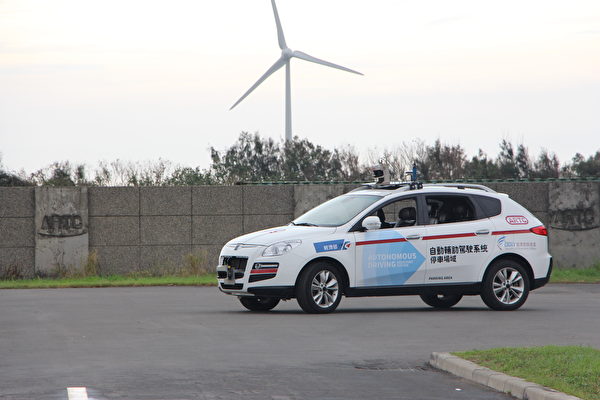
Ford Motor announced on Wednesday that they will introduce Level 3 Advanced Driver Assistance Systems (ADAS) to the market in 2028. With this system, drivers will be able to take their hands off the steering wheel and their eyes off the road while the vehicle is driving on certain highways.
According to the standards set by the Society of Automotive Engineers (SAE), Level 1 offers single assistance like automatic braking; Level 2 provides multiple assistance where the driver must monitor at all times; Level 3 includes conditional automation; Level 4 offers high automation; and Level 5 is for full automation.
Currently, Ford offers Level 2 ADAS, the BlueCruise system, on several of their models which costs around $50 per month or $495 annually. This system allows drivers to take both hands off the steering wheel but requires them to keep their focus on the road.
Ford stated that their Level 3 ADAS technology will first be utilized in their new electric vehicle platform located in California, designed by a specialized team to be adaptable for various vehicle types.
The first model from this platform is a medium-sized electric pickup truck set to be released in 2027 with a target price of $30,000. It will be equipped with advanced software systems not found in other Ford models currently available.
Ford declined to disclose which model on this platform will be the first to incorporate the ADAS software.
Doug Field, Ford’s Chief Electric Vehicle, Digital, and Design Officer, mentioned in an interview with Reuters that Level 3 ADAS will not be a standard feature on the $30,000 model, but an additional payment will be required to access it, with the exact cost still undetermined.
Field mentioned, “We are also constantly exploring business models, should we adopt a subscription model? Or should there be a one-time full payment upfront? Our focus right now is to make the price very affordable, and we are excited about it. We have time to finalize the price.”
Ford is currently working on independently developing these systems, aiming to reduce reliance on suppliers to lower costs, provide updates to customers faster, and continuously improve quality, which has been a long-standing challenge for the company.
Field revealed that Ford plans to use lidar (a remote sensing technology) to support their Level 3 ADAS.
Tesla CEO Elon Musk previously mentioned that radar is unnecessary, as using cameras can solve the problem of autonomous driving. Although his personal vehicle’s “full self-driving” system has Level 2 ADAS capabilities, drivers still need to keep their eyes on the road at all times.
Currently, most automakers restrict autonomous driving features on private vehicles to highways, as highway traffic conditions are more predictable. In comparison, urban traffic presents more complex challenges with pedestrians and cyclists leading to various unpredictable situations.
Mercedes-Benz offers a Level 3 system for American drivers limited to highway use, which is already operational in a few states including California and Nevada.
General Motors announced last October their plan to introduce “hands-free driving” technology to the market in 2028 with the Cadillac Escalade IQ EV, starting at over $125,000. This year, General Motors will collaborate with Google to launch a conversational AI system and has plans to introduce their self-developed system later.
Stellantis, the parent company of Chrysler, put their Level 3 ADAS project on hold considering the high costs, technological challenges, and concerns about consumer acceptance.