
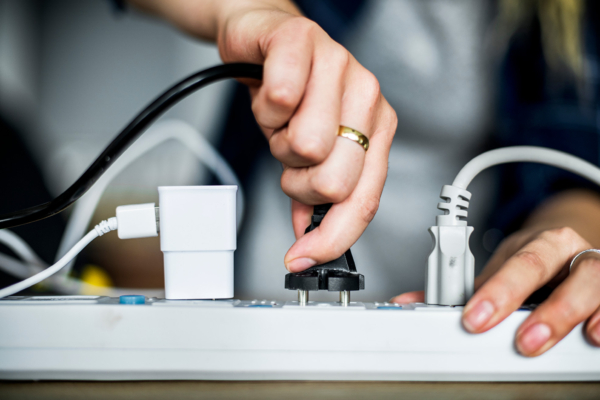
Turning off the power plug of household appliances when not in use is the best practice, as even in standby mode, appliances still consume a small amount of electricity and generate heat. Especially in the face of severe weather conditions like approaching thunderstorms, it is advisable to unplug the appliances.
According to the home living website “House Digest”, most people tend to connect new appliances to power and quickly forget about their existence. Some appliances may be used regularly, while others may sit unused for months.
Regardless of how often they are used, it is recommended to unplug appliances in preparation for severe weather, cleaning, vacation, and fire prevention situations.
Apart from the refrigerator that needs to stay connected to keep food fresh, unplugging the plugs of less frequently used small appliances is a better choice. The amount of electricity saved varies from person to person, but it can add up to significant savings over the course of a year.
In the following situations, it is advisable to unplug the appliances:
Just like it is not advisable to use an air conditioner during thunderstorms, it is best to unplug certain appliances before severe weather strikes. For large appliances, unplugging may be more challenging. However, at least try to unplug the plugs of computers and other expensive electronic devices, especially when surge protectors are not in use to protect electronic products from sudden high voltage surge damage.
Once you hear thunder nearby, do not unplug any more appliances. This indicates the presence of lightning nearby, and operating any appliance at this point is unsafe.
When cleaning any appliance with liquid cleaners, make sure to turn off the power and unplug before starting to avoid electric shock. Also, ensure all electronic components are dry before reconnecting the power.
You may use the TV and computer daily, but devices like gaming consoles, stereos, or karaoke machines in the living room may not see frequent use. Unplugging the plugs of these devices can help reduce energy waste.
Unless you are sleeping, it is advisable to unplug your phone from the charger once the battery is fully charged and remove the charger plug. Even when the battery is fully charged, the charger continues to consume a small amount of power.
In general, small appliances like toasters, coffee makers, slow cookers, blenders, and juicers should have their plugs disconnected after each use. They continue to draw power even when not in use, and unplugging them after use is relatively easy.
If you are going to be away for an extended period, such as a week-long holiday or in case of emergencies, it is a good practice to unplug the plugs of appliances before leaving. This can save on energy costs and reduce the risk of fires.
If you have ever considered completely disconnecting from work during vacations, you can apply the same principle to your home computer. A computer plugged in continues to consume a small amount of power constantly, even if it is set to energy-saving mode. Unless you shut down your computer and unplug it, it will keep drawing power from the electrical system regardless of its mode.
Lighting is an essential part of household living, but you may have some lights that are less frequently used, such as floor lamps and table lamps. In many cases, these lights are for aesthetic rather than practical purposes. Instead of keeping them plugged in all the time, it’s better to only plug them in when needed and unplug them at other times.
It is worth mentioning that the UK’s “Energy Saving Trust” has compiled a list of the most energy-consuming household appliances. To save electricity, it is advisable to unplug these appliances when not in use as much as possible.
These appliances include washing machines, dishwashers, dryers, refrigerators, freezers, televisions, laptops, gaming consoles, lighting fixtures, ovens, microwaves, and electric kettles, among others. Unplugging appliances when not in use not only saves electricity but also helps reduce heat generation.
By unplugging appliances when not in use, you can save on electricity bills and lower temperatures.