
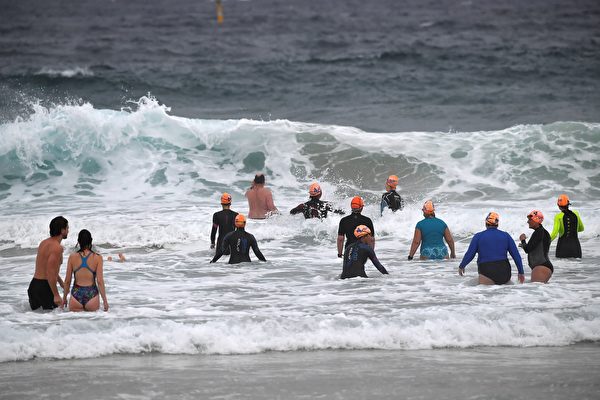
On the early morning of New Year’s Day 2026, a 25-year-old Chinese woman tragically drowned after being swept into the sea by a giant wave near Maroubra Beach in Sydney, Australia.
According to reports from Australian media, around 4 a.m. local time on January 1st, the police received a call reporting that someone had been swept into the sea near Maroubra Beach in Sydney.
The New South Wales police stated that multiple departments initiated a joint search and rescue operation and found the body of a female in the sea around 5 a.m., preliminarily identified as a swimmer who was carried away by the waves.
The Chinese Consulate General in Sydney confirmed on the 2nd that the victim was a 25-year-old Chinese female citizen.
On the day of the incident, the coastal sea conditions in New South Wales were severe, with multiple drowning incidents reported in various locations. Authorities closed nearly 70 beaches and issued safety alerts, urging visitors to avoid water activities under dangerous conditions.
Police and rescue agencies pointed out that the incident occurred in the early hours when it was still dark, the sea water temperature was low, there were no lifeguards patrolling the beach, making it difficult to assess the waves in the darkness, and also posing risks of marine life encounters.
Local media and safety guidelines have long advised the public to avoid swimming before dawn or after dusk, as many drowning incidents have occurred outside of lifeguard patrol hours.
Why did this woman go swimming in the sea at 4 a.m.? Authorities are currently conducting further investigations into the incident.
Chief Executive Officer of Surf Life Saving NSW, Steven Pearce, stated that on New Year’s Day alone, there were 19 sea rescues conducted across the state, with many involving teenagers swimming together.
He further mentioned that the risk of drowning incidents during the New Year period is three times higher than at other times, “The start of the new year has seen a series of tragedies that will impact many families and frontline rescue personnel.”