
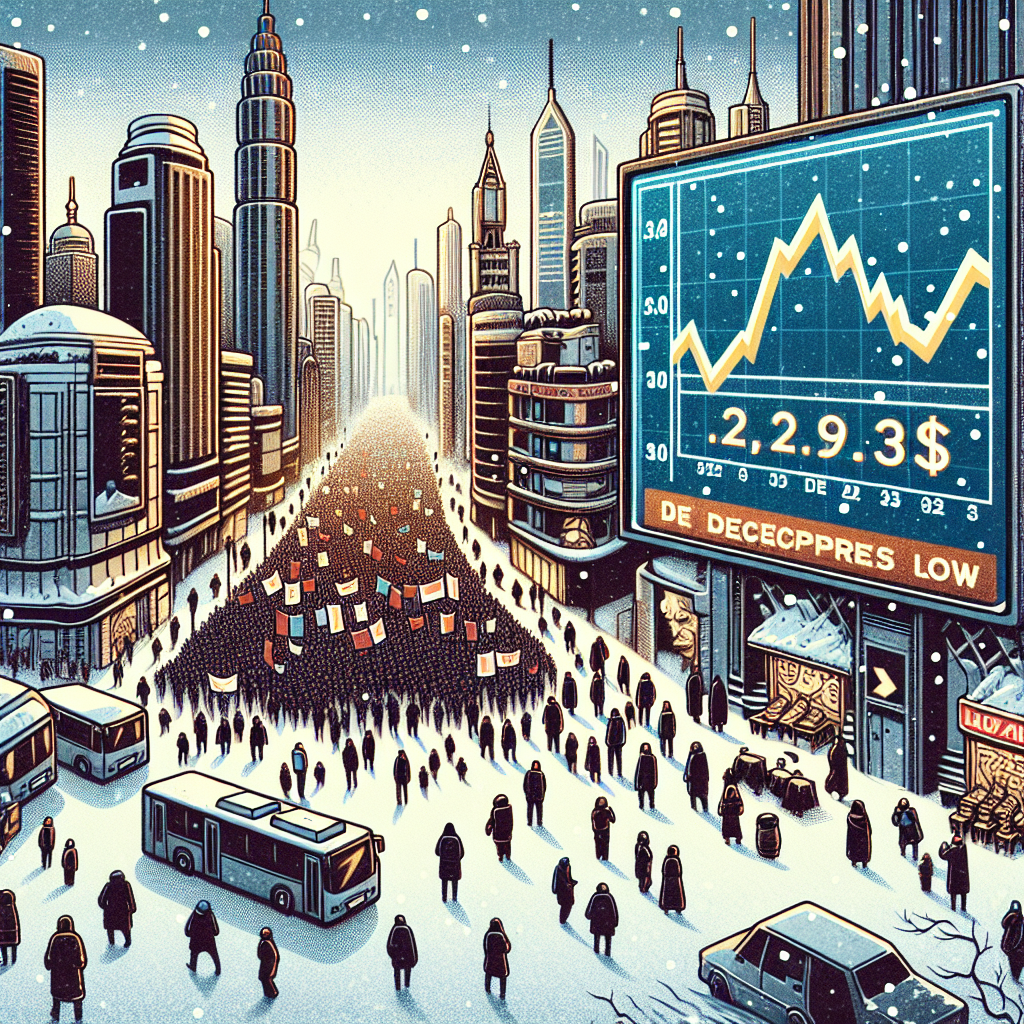
Iran’s social unrest sparked by a sharp devaluation of the currency reached a boiling point on Monday, December 29th, with the rial hitting a historic low against the US dollar. The capital, Tehran, and several major cities witnessed large-scale demonstrations, marking the biggest wave of protests since 2022.
As street protests spread nationwide, Iranian state television confirmed that the central bank governor, Mohammad Reza Farzin, had resigned, highlighting the rapidly increasing financial and social pressures facing the government.
In Tehran, at locations near the Grand Bazaar and Saadi Street in the central district of Shush, vendors and shop owners went on a collective strike, urging more businesses to close in solidarity. In some areas of Tehran, the police used tear gas to disperse the crowds.
Apart from Tehran, rallies also took place in major cities such as Isfahan, Shiraz, and Mashhad. The previous day, protests were confined to two mobile phone markets in the city center, with slogans directly targeting the government.
This protest is seen as the most serious since the nationwide unrest in 2022. Back then, 22-year-old Mahsa Jina Amini died while in detention by the morality police for “improperly wearing a headscarf,” sparking widespread demonstrations across the country and dealing a severe blow to the authorities.
On Sunday, the rial plummeted to 1 US dollar to 1.42 million rials, slightly recovering to 1.38 million on Monday but still hitting a historic low. When Farzin took office in 2022, the rial exchange rate was around 430,000, losing nearly 70% of its value in three years.
The rapid devaluation has fueled inflation and increased the cost of living for Iranians, with recent fuel price adjustments adding further pressure. Official statistics show that inflation in December rose by 42.2% year-on-year, up by 1.8 percentage points from November; food prices increased by 72% and medical supplies by 50%, leading to concerns that inflation is nearing an uncontrollable level.
Official media reports have suggested that the government plans to increase taxes starting from the new year on March 21, 2026, further exacerbating market anxieties.
The 2015 Iran nuclear deal briefly alleviated economic pressures on Iran, stabilizing the rial at 32,000 to 1 US dollar. However, in 2018, US President Donald Trump criticized the agreement for major flaws, withdrew from the deal, and reinstated sanctions on Iran, once again putting economic strain on the country and causing the rial exchange rate to weaken.
Due to Iran’s recent efforts to increase uranium enrichment levels, restrict some of the International Atomic Energy Agency’s inspection activities, and enhance missile and drone capabilities, the UN activated the “snapback” mechanism in September, reimposing nuclear-related sanctions, including freezing overseas assets and limiting missile development, further intensifying Iran’s economic pressures.
Additionally, in June of this year, Iran and Israel engaged in a 12-day armed conflict, which ultimately ended with a ceasefire brokered by the United States. Following the conflict, Iranian society has been widely concerned about the possibility of further escalations in hostilities, potential direct US involvement, leading to heightened market risk aversion, further driving the currency decline and exacerbating inflation pressures.
During a recent meeting at Mar-a-Lago with Israeli Prime Minister Benjamin Netanyahu, President Trump warned that if Iran resumes nuclear weapons or ballistic missile development, the US would support Israel in taking military action and could potentially launch another large-scale strike against Iran, if necessary, to prevent the escalation of threats.