
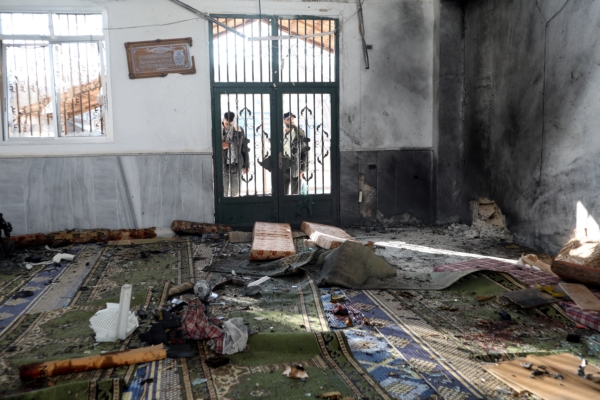
On December 27, 2025, a bombing occurred in a mosque in an Alawite neighborhood in the central Syrian city of Homs during Friday prayers, resulting in at least 8 deaths and 18 injuries. Multiple governments and the international community strongly condemned this act of violence.
The Syrian state news agency, SANA, quoted health officials as saying that the explosion took place at the Imam Ali bin Abi Talib Mosque in the Wadi al-Dahab area of Homs province. The death and injury toll is still preliminary and may increase.
The Syrian Ministry of Internal Affairs classified the event as a “terrorist explosion” and stated that investigations are underway to identify and track down the perpetrators. Initial assessments by security forces suggest that the explosion was not a suicide attack but was triggered by explosives placed inside the mosque in advance.
Following the attack, an extremist group called Ansar al-Sunna released a statement on Telegram claiming responsibility for detonating multiple explosive devices inside the mosque.
The organization was formed last year after the fall of the Bashar al-Assad regime and had previously claimed responsibility for a suicide bombing at a church in Damascus in June of this year. However, at that time, Syrian authorities attributed the church attack to the ISIS organization.
Footage from the scene showed parts of the mosque charred, with debris scattered on the ground. Security personnel were seen securing the area inside and outside the mosque, with the explosion site cordoned off with red caution tapes. Several injured individuals were urgently taken to hospitals for treatment. Witnesses described the explosion as accompanied by a loud bang and flying shrapnel.
The Syrian Ministry of Foreign Affairs condemned the incident, viewing it as an attempt to undermine national security and stability, and vowed to hold those responsible accountable.
Regional countries swiftly condemned the attack, with Saudi Arabia, Lebanon, Qatar, Turkey, and Jordan all voicing their opposition to violence targeting religious sites and civilians.
France stated that this was a terrorist action aimed at destabilizing the country, while the United Nations Secretary-General also condemned the attack as “unacceptable” and called for holding the perpetrators accountable.
The Alawites are an important minority group in Syria whose faith is based on Shia Islam. While Sunni Muslims make up the majority in Homs, there are several Alawite enclaves in the city. Since the rise of a Sunni-dominated government following Assad’s ousting, Syria has witnessed a series of sectarian violence incidents, raising concerns over the safety of minority groups.
Representatives of the Alawite community both inside and outside Syria, through the Supreme Alawite Islamic Council, stated that the mosque bombing was one of the “systematic” attacks targeting Alawites. They criticized the authorities for failing to effectively protect minority groups and warned that continued violence could lead the country into deeper instability.
In the past year, Syria has experienced severe sectarian conflicts in various regions. In March, there was a massacre of Alawite civilians in the coastal region, and in July, deadly clashes erupted in the predominantly Druze province of Sweida in the south, resulting in numerous casualties. Human rights organizations have pointed out incidents of kidnapping, killings, and mass arrests exacerbating concerns among minority groups about their future.
Despite Damascus’ assurances to protect all ethnic groups, the Homs mosque bombing incident underscores the ongoing challenges Syria faces in maintaining security and fostering reconciliation among different sects following regime change.