
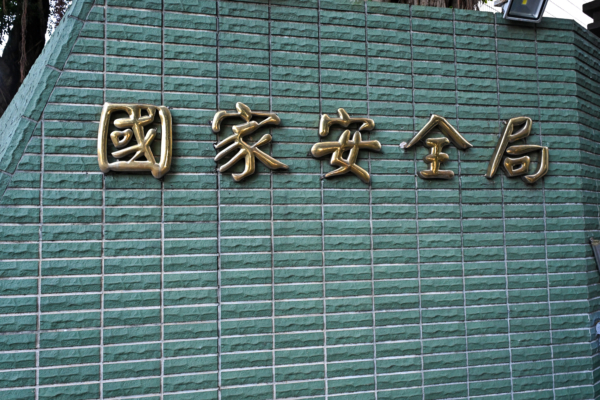
Recent violent attacks in Taipei’s MRT station on the 19th have left 4 dead and 11 injured. In response to this tragic incident, the National Security Bureau has presented six measures to enhance security procedures.
The Interior Committee of the Republic of China’s Legislative Yuan has shifted its agenda today to discuss a special report on “Enhancing Social Security Maintenance and Review” in light of planned attacks. The National Security Bureau has issued a written report outlining the current domestic security situation.
1. Increase in online threats: There have been several incidents of government agencies, public transportation, and specific groups being threatened online in recent times. Some emails sent with the intention of creating disruptions in Taiwan’s security are routed through Virtual Private Networks (VPN).
2. Rising risk of violent attacks: There have been several cases of violent attacks in recent years, including indiscriminate attacks in the MRT by individuals like Zheng Jie and Zhang Wen, as well as incidents of individuals ramming government offices with dump trucks. These cases pose challenges in detection and prevention, adding pressure to security deployment.
3. Specific targets posing threats: Recent major public security incidents involving anti-social personalities and unresolved protest demands have led to an increasing percentage of cases involving specific, hard-to-detect targets, creating a security hazard in society.
The National Security Bureau has proposed the following six measures to strengthen security:
1. Improve intelligence cooperation: According to the National Intelligence Service Law and other regulations, the Bureau, in collaboration with the National Security Intelligence Team, will gather and analyze domestic and foreign security warnings to enhance the overall intelligence capabilities and ensure timely reporting to relevant authorities for further action.
2. Investigate perpetrators’ backgrounds and motives: The Bureau will investigate the backgrounds and affiliations of perpetrators in cases of online threats and major security events, to understand their motives and prevent domestic terrorism or infiltration by foreign adversaries, safeguarding social stability.
3. Guard against imitation on the internet: Following the smoke bomb incident and random killings in Taipei’s MRT on December 19, there has been an increase in online threats. The Bureau will monitor related security information closely to prevent imitation effects and maintain societal stability.
4. Increase internet surveillance density: In response to the surge in online threats, the Bureau has utilized technology tools to enhance internet surveillance and report any abnormal activities, ensuring cyber domain security.
5. Monitor specific events closely: The Bureau has issued an intelligence coordination plan for the New Year’s Eve celebrations this year and the flag-raising ceremony on New Year’s Day next year, integrating various security warnings and enhancing security measures to ensure smooth events and comprehensive security coverage.
6. Strengthen professional skills: In preparation for important tasks, the Bureau has organized specialized training sessions, including security courses for events like the 2025 Taipei-New Taipei World Masters Games and security measures for the upcoming elections, to enhance members’ capacity to respond promptly to new types of attacks.
In conclusion, the National Security Bureau emphasizes the importance of strengthening intelligence cooperation and utilizing technology to prevent external threats from undermining Taiwan’s democratic constitutional system and societal security amidst the increasing incidents of violence and online threats in recent years.