
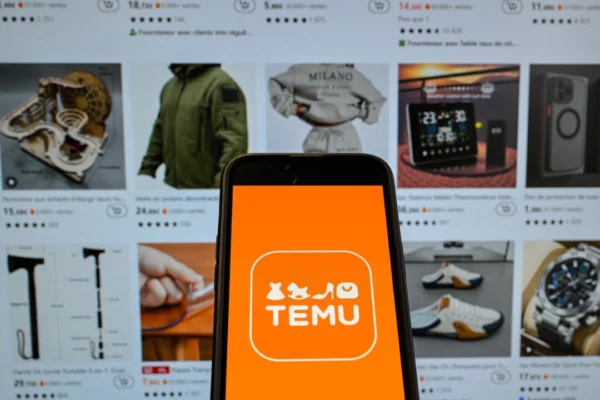
According to informed sources, the European Union regulatory agency conducted a surprise search on the European headquarters of the Chinese e-commerce giant Temu in Dublin last week. The reason for the search was concerns that this online retailer under Pinduoduo may have received unfair subsidies from the Chinese government.
The news was reported by Reuters citing the information from insiders. Temu did not immediately respond to requests for comment.
The European Commission’s Foreign Subsidies Regulation (FSR) aims to combat unfair foreign subsidies to curb competition from non-EU companies benefiting from government subsidies. The Commission can impose fines of up to 10% of a company’s annual turnover on businesses found to be in violation.
A spokesperson for the Commission stated, “We can confirm that the Commission has conducted an on-site inspection of a company engaged in e-commerce within the EU under the Foreign Subsidies Regulation.”
The spokesperson did not disclose the name of the company or the location of the inspection.
Bloomberg also reported the news, quoting sources familiar with the matter.
The surprise inspection comes at a time when there is growing concern within the EU about the influx of low-cost imported goods from China. As packages valued below 150 euros are eligible for exemptions from tariffs, a large volume of low-value e-commerce goods have flooded into the EU. European retailers argue that this has given unfair competitive advantages to platforms like Temu and Shein from China. The EU Commission plans to eliminate this tariff exemption by the end of next year.
Temu’s online store offers a wide range of products, from smartphones to bedding, at extremely low prices, attracting a large number of global shoppers. This has simultaneously squeezed the market share of competitors. According to Temu’s latest transparency report, despite entering the EU market only in April 2023, the company has already amassed approximately 116 million monthly users in the EU.
EU regulatory agencies usually conduct surprise inspections when they have evidence of violations, which can come from whistleblowers or the agencies’ own investigations. These inspections may lead companies to make concessions or cooperate with the investigation in exchange for reduced fines from the regulatory agencies.
This is not the first clash Temu has had with European authorities. Last year, the European Commission initiated an investigation into Temu under the Digital Services Act for online platforms and released preliminary findings in July, stating that Temu had not done enough to prevent the sale of illegal products through its platform.