
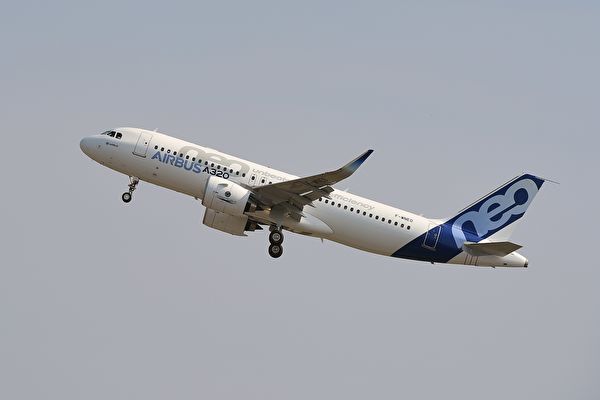
France’s aircraft manufacturer Airbus announced on Friday (November 28th) that it will restrict the operation of some A320neo series aircraft equipped with Pratt & Whitney engines in extremely cold weather conditions. This move has affected the operations of several airlines.
Airbus confirmed to the media that they have modified the existing ground engine operation procedures for frozen conditions to avoid operational risks in cold environments.
According to the new regulations, when extreme cold weather conditions occur, including “freezing fog” and visibility below 150 meters, the aircraft will be restricted.
Airbus stated that they are in close contact with airline customers, and Pratt & Whitney is also working to find solutions.
A spokesperson for one of the affected airlines, Air Astana, stated that Almaty International Airport commonly experiences freezing fog and low visibility weather in winter, and the new restriction measures have impacted their flight schedules.
“Airbus has imposed restrictions on takeoffs for A320neo, A321neo, and A321LR aircraft in freezing fog conditions with visibility below 150 meters,” the spokesperson said. “During the winter season, such weather is common at Almaty International Airport.”
Earlier this month, Pratt & Whitney executives revealed that they are negotiating engine supply matters for the next three years with Airbus, as Airbus plans to increase production capacity for its main aircraft, A320neo.
This restriction measure highlights the challenges that the aviation supply chain continues to face in the post-pandemic era. Pratt & Whitney has faced maintenance pressure in recent years due to durability issues with some engines, resulting in limited operational capacity for some airlines. Pratt & Whitney stated that they are working on solutions to ensure the reliability and safety of their engines in cold weather conditions.