
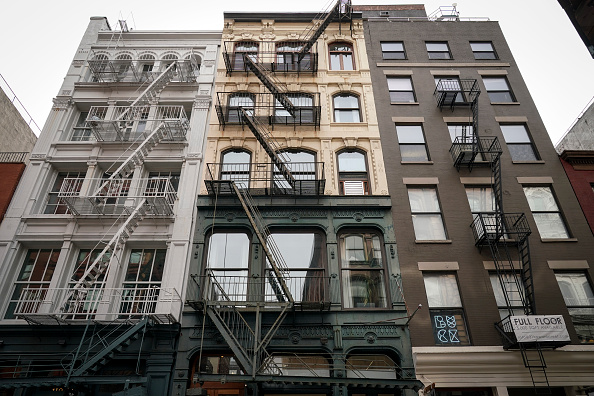
According to the latest survey report released by the financial website WalletHub, renters in New York City need to allocate approximately 54.52% of their household income towards housing expenses on average each month, making it the most burdensome in over 180 cities across the United States.
The survey uses the “income-to-rent ratio” as a measurement standard, analyzing the ratio of rent to median household income in over 180 cities in the United States to assess the affordability of renting. The survey reveals that renters in New York City on average spend 54.52% of their monthly income on housing, a ratio significantly higher than the recommended 30% standard by financial advisors.
WalletHub’s analysis covers housing costs such as rent, mortgages, and energy expenses. The results show that despite the relatively higher median household income in New York City, the actual living burden remains at a national high due to the simultaneous increase in rent and living costs. Similar to the situation in New York City, areas like Hawaii and Massachusetts also have housing expenditure ratios close to or exceeding half of income.
In addition to rent, the housing expenses calculated in the report also include mortgages and energy costs, making the overall housing burden in New York State even heavier. The report points out that in some states, income growth has not kept pace with the rising housing prices, leading to a decline in residents’ real purchasing and renting abilities.
While renters bear the heaviest burden, the situation for homeowners in New York State is slightly more relaxed. Data shows that homeowners in the state spend an average of about 30.7% of their income on housing expenses, ranking as the 12th highest nationwide. However, compared to areas like Hawaii and California where the burden often exceeds 45%, it is relatively manageable.
Nevertheless, there are still a few cities within New York State showing promising performance. For instance, Buffalo has shown steady growth in the housing market in recent years and has become one of the hottest markets predicted by Zillow in 2025. According to the survey, renters in the area allocate approximately 39% of their income towards renting a one-bedroom residence each month, significantly lower than the average in New York City and most major cities in the United States.
At the same time, WalletHub also points out that cities like Bismarck in North Dakota, Sioux Falls in South Dakota, and Cheyenne in Wyoming have housing costs only accounting for 15% to 16% of household income, making renting more affordable compared to the national average.
Overall, while New York City boasts rich cultural, recreational, and culinary resources, the corresponding high property prices and rents are gradually becoming a significant source of economic pressure for its residents.