
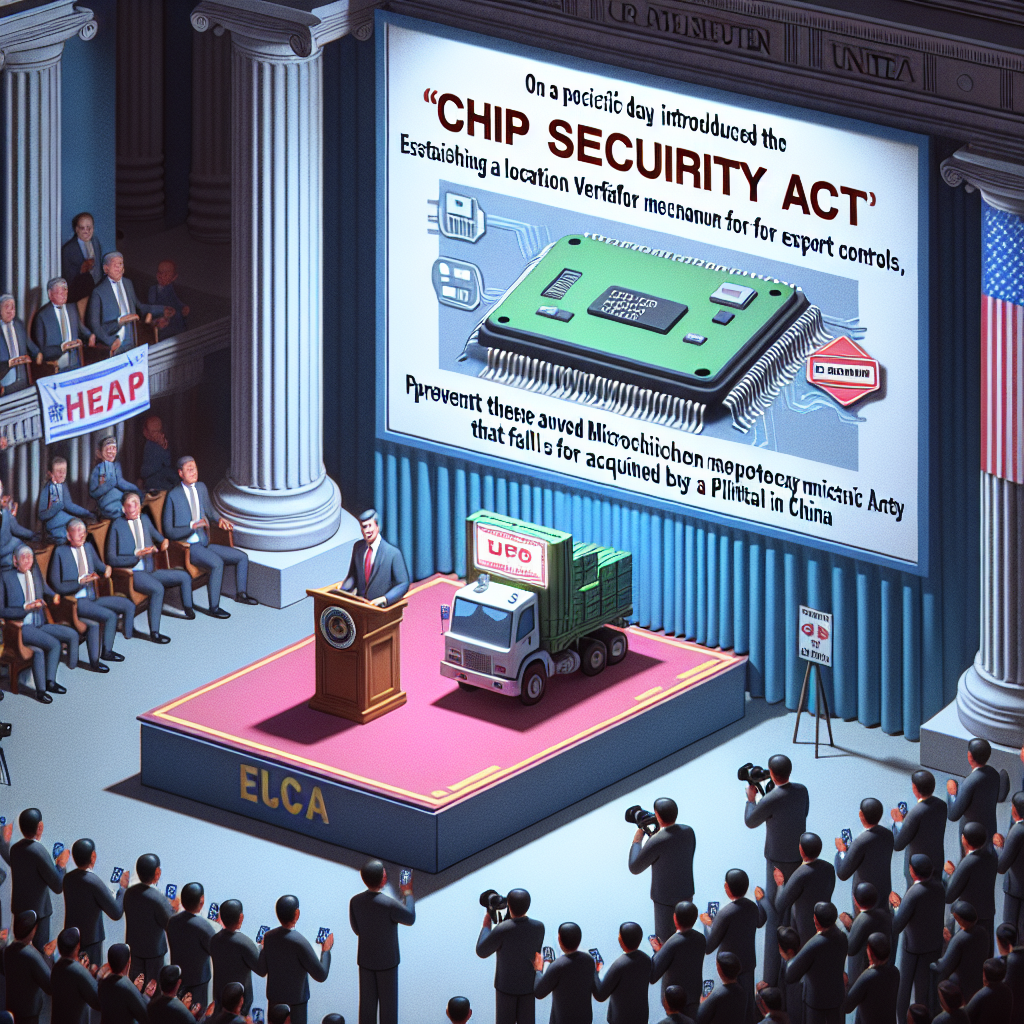
On May 10, 2025, United States Senator Tom Cotton introduced the “Chip Security Act,” which calls for the Department of Commerce to establish a location verification mechanism for advanced chips subject to export controls to prevent them from falling into the hands of the Chinese Communist Party.
Under the Chip Security Act, the Secretary of Commerce is required to establish a location verification mechanism within six months for advanced chips subject to export controls or products containing such chips. Exporters of advanced chips must report to the Bureau of Industry and Security (BIS) within the Department of Commerce if they discover that their products have been diverted to a destination other than the intended one or if attempts to tamper with them are made.
The legislation also mandates coordination between the Secretary of Commerce and the Secretary of Defense to study potential additional chip security mechanisms next year and develop requirements within the coming years to implement such measures for the covered advanced chips at their discretion. Cotton stated that the extended timeline is designed to align with the multi-year technology roadmap for the development of next-generation advanced chips.
Furthermore, the Secretary of Commerce and the Secretary of Defense are required to evaluate the latest security mechanisms annually for three consecutive years and determine if any new mechanisms are needed. They must also make recommendations for three consecutive years on how to make export controls more flexible to simplify shipping to more countries.
The use of address verification systems can help detect changes in the destination of products, smuggling, or other unauthorized usage. The legislation also instructs the Department of Commerce to prioritize confidentiality when developing chip security requirements.
“This bill will strengthen oversight of advanced chips and direct the Department of Commerce and the Department of Defense to research security mechanisms for promising chips to prevent advanced U.S. chips from falling into the hands of adversaries like communist China,” Cotton said. “We must better maintain and expand our position in the global market while defending America’s technological advantage. With these enhanced security measures, we can continue to expand access to American technology without compromising national security.”
According to a Reuters report on May 5, Democratic Congressman Bill Foster also plans to introduce a similar bill in the coming weeks.
Restricting China’s access to AI technology that could enhance its military capabilities has been a focal point of the U.S. Congress. Reports of violations of export control laws smuggling NVIDIA chips to China have further heightened lawmakers’ concerns.