
Have you ever felt refreshed and energized after meeting someone for the first time? If so, then you understand the power of a good first impression.
Etiquette coach Bethany Friske says, “We only have a few seconds to make a first impression.” How you utilize those moments can determine whether that impression is positive or negative. Friske shares her professional advice on how to add sparkle to your interactions, making you someone who leaves a positive and lasting impression in the room.
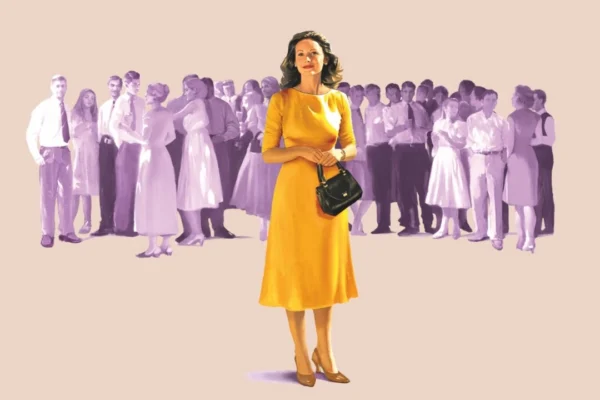
Friske recalled a time when she saw a woman in a room of over four hundred people and immediately wanted to be friends with her. She mentioned that the woman’s modest and appropriately dressed attire, along with the pleasant expression on her face, were the reasons for her desire. Wearing neatly pressed, clean, and appropriate clothing (avoiding jeans at events like funerals or weddings) can bring about a similar charm in us.
It’s often said that “being on time is already late.” Friske points out that this is true for meetings, performances, church services, etc., but for private dinner parties, the situation is different. “If you arrive 15 minutes early, wait in the car until it’s time to go in.” Why? “Because hosts can accomplish a lot in five minutes without anyone around.” Considering the host’s needs will help in making a good first impression.
We all want to leave a good impression, but everyone has their blind spots. Friske listed chewing gum, touching hair and face, picking teeth and cracking knuckles as some common habits we unknowingly engage in that may put others off. She also reminds people to avoid using profanity and improper language, especially frequently using the word “like.” Being mindful of these habits and avoiding them helps in presenting a more refined image.
Those who stay engaged in conversations are most likely to leave a lasting impression. “Say your name early,” Friske suggests, even if you’ve met someone before, provide a small hint to help them remember your name, such as a rhyme or association word. When it comes to phones, ensure it doesn’t become your crutch. If you must take a call, signal to the other person and leave the room to answer it.
Attending gatherings may feel like entering a minefield for introverted individuals. Friske advises, “Don’t force yourself to get to know everyone, set a target number.” This will help you pace your social interactions. On the other hand, she reminds extroverted individuals to avoid dominating conversations or speaking too loudly and boisterously. Excellent communicators know how to ask good questions, listen attentively, follow up in conversations, and not just give monotonous responses but provide deeper insights.
The original article was first published in “American Essence” magazine.