
Taiwan authorities have taken action against a mainland Chinese spouse, Liu, for her YouTube channel “Ya Ya in Taiwan” spreading pro-unification and united front propaganda of the Chinese Communist Party (CCP). Liu, who is married to a Taiwanese national, has been promoting the ideas that Taiwan is an inseparable part of China, unification is an inevitable trend, and dismissing the possibility of Taiwan resisting China’s aggression by calling its people “cannon fodder”. These statements have sparked public outrage and led to her being reported to authorities.
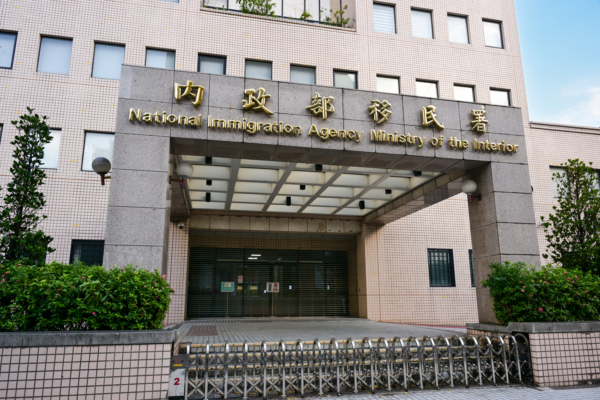
The National Immigration Agency in Taiwan has announced that Liu, a Chinese national residing in Taiwan under a family reunion visa, will have her residency permit revoked in accordance with the law due to her inflammatory remarks supporting the use of force for unification. The agency has cited violations of the Act Governing Relations between the People of the Taiwan Area and the Mainland Area and other related regulations as grounds for this decision.
In a press release, the immigration agency stated that investigations into Liu’s public statements on her social media accounts have determined her remarks to be in violation of established laws and principles governing cross-strait relations. Liu has been summoned to provide a statement regarding her activities, and official records of these proceedings will be kept.
The decision to revoke Liu’s residency permit is based on the fact that her comments advocating for the use of force to unify Taiwan with the Chinese mainland are deemed a threat to national security and social stability. The move aligns with provisions under the Regulations Governing the Residency, Long-term Residency, or Settlement of People from the Mainland Area in the Taiwan Area, which allow for the cancellation of residency permits in cases where individuals pose a risk to national security.
The immigration agency emphasized the importance of responsible online behavior and condemned any actions that undermine Taiwan’s democratic system. They warned against making controversial statements solely for the purpose of increasing internet traffic and cautioned that such behavior not only violates the law but also wastes valuable social and administrative resources.
The case of Liu highlights the complex dynamics between Taiwan and mainland China, with issues of national identity, political allegiance, and free speech being central to the ongoing debate surrounding cross-strait relations. The actions taken against her serve as a reminder of the strict regulations governing expressions of political views in Taiwan, especially when they have the potential to impact national security and stability.