
【Epoch Times News, December 25, 2024】Taiwan Railway Administration (TRA) is often jokingly referred to as the “bento shop delayed by trains.” The company is approaching its first anniversary since being listed, with an estimated loss of NT$12 billion, even more than last year. The core business still hasn’t made a profit, and profits from land development will take several years. While sideline businesses like bento sales have reached a historic high, they are unable to fill the financial gap of the core business.
According to Central News Agency, the 137-year-old TRA has been burdened with heavy debts for many years. Before the company was corporatized, its short-term debts amounted to around NT$170 billion. The government established a debt redemption fund to assist in dealing with short-term debts. Remote stations and unprofitable service routes are subsidized by the government. Since its listing on January 1st, the company has been hoping for improved safety and regulatory flexibility to enhance revenue.
TRA’s data shows that this year’s projected loss was initially over NT$7.4 billion, but the actual figure is estimated to reach NT$12 billion, exceeding last year’s NT$11.4 billion. The operational loss this year is expected to be NT$13 billion, an increase of NT$379 million compared to last year.
TRA Chairman Du Wei, in an interview with Central News Agency, mentioned that the first few years of operation after listing would be challenging, especially the first year involving significant necessary expenses. For instance, employee welfare funds which were originally budgeted at NT$1.2 billion were increased to NT$2.3 billion, in addition to spending of NT$200 million on asset transfer fees and an increase of NT$600 million in vehicle depreciation costs compared to last year.
On the revenue side, rental income from some of TRA’s lands, such as the Taipei Railway Workshop, has been allocated to the Ministry of Transportation’s Railway Bureau debt redemption fund, leading to reduced revenue. Furthermore, ticket prices frozen for nearly 30 years have not been adjusted, resulting in a widening gap between income and expenses. It’s anticipated that the company will face operational losses in the initial phase.
Du Wei emphasized that TRA continues to replace a large number of old trains, resulting in substantial depreciation costs. After the company’s corporatization, operational performance indeed poses a challenge. By the year 2026, operating cash flow is expected to turn positive; however, accounting surplus will depend on TRA’s participation in major development projects, including the completion of Taipei’s Twin Towers and the joint development project of Nangang Train Yard, which will increase rental income, potentially by the year 2027.
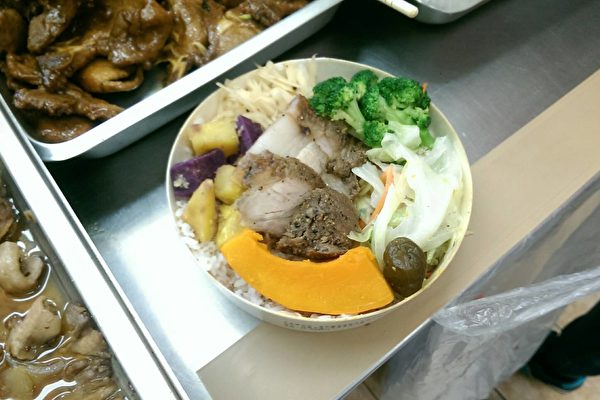
While TRA’s core business is incurring losses, its sideline ventures such as bento sales, leases, and asset development are profitable. It’s estimated that this year, they will earn NT$3.389 billion. The sideline business department of TRA projects that bento sales could reach 9.2 million this year, though it has not yet returned to the pre-COVID-19 level of tens of millions due to the addition of higher-priced bentos, resulting in revenue surpassing NT$748 million in 2019, potentially setting a new record.
Du Wei pointed out that TRA is planning to establish a central kitchen at Taipei Station, with the bidding expected to take place next March and operational by May 2026. The increased bento production from the central kitchen is expected to further boost sales and develop more distinctive bentos.
According to TRA’s sideline business department, approximately 25,000 bento boxes are currently sold daily in the northern, central, southern, and eastern regions, with 36 new flavors introduced this year. Once the central kitchen is operational, bento production is projected to increase by an additional 5,000 boxes per day.
As for TRA’s highly anticipated near-term asset development, plans are in place for the development of four old dormitories on its idle lands in Guangming Street in Keelung City, Andong Street in Taipei City, Fuxing Road in Taichung City, and Zili Road in Kaohsiung City. The completion of these development projects is expected to bring in around NT$16 billion; however, there have been delays in the progress of these cases.
Du Wei explained that the TRA board is making cautious decisions and has established a separate asset development committee to oversee these four land development projects, which will be delayed until next year for private sector involvement. He admitted that seeing revenue is likely a matter of many years, but it is crucial for enhancing TRA’s asset value and increasing company revenue.
Currently, revenue from sideline operations such as bento sales, peripheral products, leases, and asset development accounts for less than 20% of the total revenue. According to TRA’s “Golden Decade Plan,” by the year 2033, this proportion is expected to increase to 40%.