
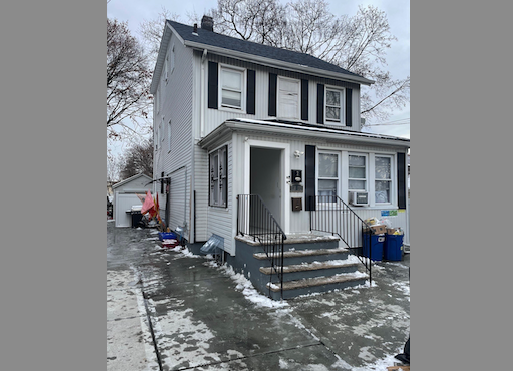
On December 24th, Christmas Eve, a three-story residential building in St. Albans, Queens, New York City experienced a carbon monoxide leak. A woman was poisoned by carbon monoxide, and her condition was severe. Upon inspection, it was discovered that the residence had undergone illegal renovations. The ventilation system of the water heater was improperly installed, leading to the emission of carbon monoxide indoors. Additionally, there was no carbon monoxide alarm installed inside the house.
According to the New York City Fire Department, around 10:30 a.m., firefighters received a report at the intersection of 194th Street and 114th Road in Queens. They found a woman unconscious on the top floor of the house. When firefighters ascended to the third floor using the exterior staircase, their carbon monoxide detector immediately sounded an alarm, indicating dangerous and potentially lethal levels of carbon monoxide.
The woman was taken to Long Island University Medical Center for treatment in a hyperbaric oxygen chamber and was in critical condition. Three other individuals, including children, also required medical attention, but they were expected to be okay.
The investigation revealed that the pipes and electricity in the house did not meet code requirements. The main culprit was the use of “on-demand water heaters” that utilize natural gas or liquid petroleum gas. Improperly connected pipes from one of the devices resulted in carbon monoxide being discharged indoors instead of outside, posing a danger to the residents as the indoor concentration of carbon monoxide exceeded safe levels.
Furthermore, despite the presence of smoke detectors in the house, there were no carbon monoxide detectors installed. This meant that the dangerous gases produced by the natural gas water heater or boiler during cold weather operation could not be monitored.
Deputy Fire Commissioner George Healy stated, “We could see smoke detectors, heat sensors, and power sources, but we didn’t find any carbon monoxide detectors inside the house, and no device was in alarm mode.”
Investigators also found that the three-story residence had undergone illegal modifications. There were seven units within the house – two in the basement, two on the first floor, two on the second floor, and one in the attic where the critically ill woman resided.
The New York City Fire Department reminded residents that any improperly ventilated or maintained appliances could be a source of carbon monoxide. Therefore, it is essential to install carbon monoxide alarms, and they should be installed by licensed plumbers.
The New York City Department of Buildings responded by identifying violations and noting the insufficient exits inside the house. In the event of a fire, residents would not be able to safely evacuate.
A neighbor mentioned that the landlord sublets rooms to different individuals, some even residing in the garage, which poses a significant danger in case of a fire or other emergencies.
The Red Cross assisted in temporarily relocating tenants to ensure they had shelter on Christmas Eve.
Carbon monoxide is a colorless, odorless, and tasteless toxic gas known as the “silent killer” due to its difficulty to detect. It is primarily produced during incomplete combustion processes, such as burning gas, wood, gasoline, or natural gas in a confined space. Inhaling excess carbon monoxide can disrupt the blood’s ability to transport oxygen, leading to symptoms like headaches, dizziness, nausea, and even death due to oxygen deprivation. To prevent poisoning, it is crucial to ensure proper ventilation, regularly inspect gas appliances, and install carbon monoxide alarms for safety.