
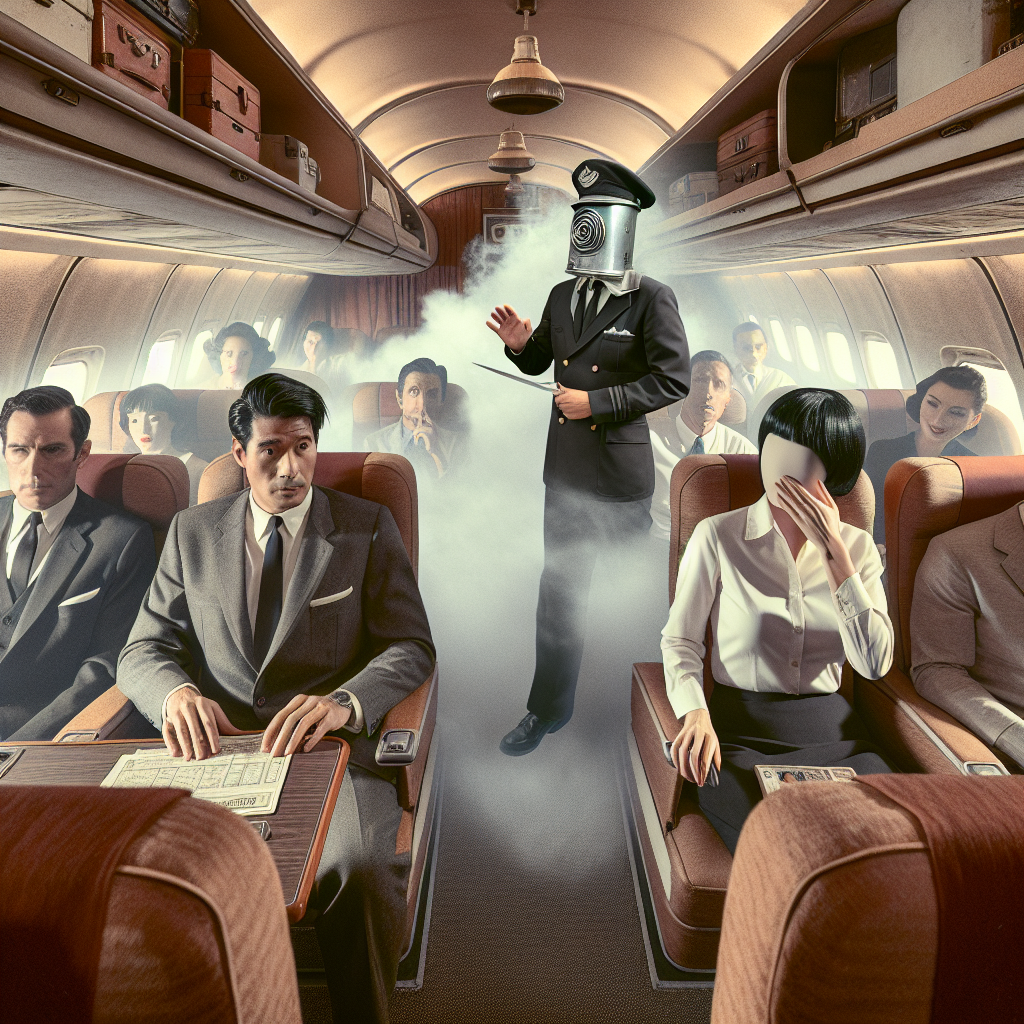
According to data from the Federal Aviation Administration (FAA), incidents related to lithium batteries on US flights now occur on average every week, causing concerns among cabin crew about the risks involved.
As of December 16, there have been 69 incidents involving smoke, fire, or extreme high temperatures related to lithium batteries on US flights this year, which is equivalent to over 1.3 incidents per week. Since 2015, the number of such incidents has increased by over 330%. From March 3, 2006, to November 5, 2024, there have been a total of 579 lithium battery incidents on US flights, with the majority of cases occurring on commercial passenger airlines.
The most common incidents involve battery packs and batteries, totaling 229 events, followed by e-cigarettes/vapor devices at 122, mobile phones at 81, laptops at 70, and others involving various electronic and medical devices.
On November 5, a smoke alarm in a lavatory was triggered on a United Airlines flight departing from San Francisco. According to the FAA, “Flight attendants found a passenger in the lavatory who stated that their laptop was overheating. A flight attendant placed the laptop in a heat-resistant bag, and the aircraft continued to its destination without further incident.”
On October 5, a passenger’s carry-on luggage caught fire during the boarding process at Buffalo Niagara International Airport in New York, with a lithium battery identified as the culprit. The passenger was removed from the aircraft, and after the fire was extinguished, the battery was also taken out of the plane.
A survey report released by the nonprofit organization UL Standards & Engagement (ULSE) shows that cabin crew have “significant concerns” about the risks posed by lithium batteries, with 87% expressing being very or somewhat worried about lithium-ion battery incidents occurring onboard aircraft.
While nearly all crew members (97%) reported being aware of these risks, only 65% of passengers surveyed indicated awareness of the risks.
Experts have expressed high concern about fires caused by lithium batteries. Earlier this year, New York City Fire Commissioner Daniel Flynn warned during congressional testimony that lithium battery fires are “more intense and dangerous than fires from other sources.”
“These fires involve a series of explosions, release highly toxic gases, and project burning materials, increasing the likelihood of fire spread,” Flynn said. “These fires create an extremely hazardous environment instantly, making evacuation for anyone nearby very difficult, especially at night when residents are sleeping.”
Extinguishing lithium battery fires requires a large amount of water, making firefighting “extremely challenging.” Last year, New York City reported 268 fires caused by lithium batteries, resulting in 150 injuries and 18 deaths. Many of these batteries were used in electric bicycles.
In March last year, US Congressman Ritchie Torres introduced the “Setting Consumer Standards for Lithium-Ion Batteries Act” (HR1797) aimed at addressing lithium battery fire issues. HR1797 requires the US Consumer Product Safety Commission to establish safety standards for rechargeable lithium-ion batteries used in electric bicycles and other personal mobility devices. Companies like Uber and DoorDash have expressed support for this legislation. ◇