
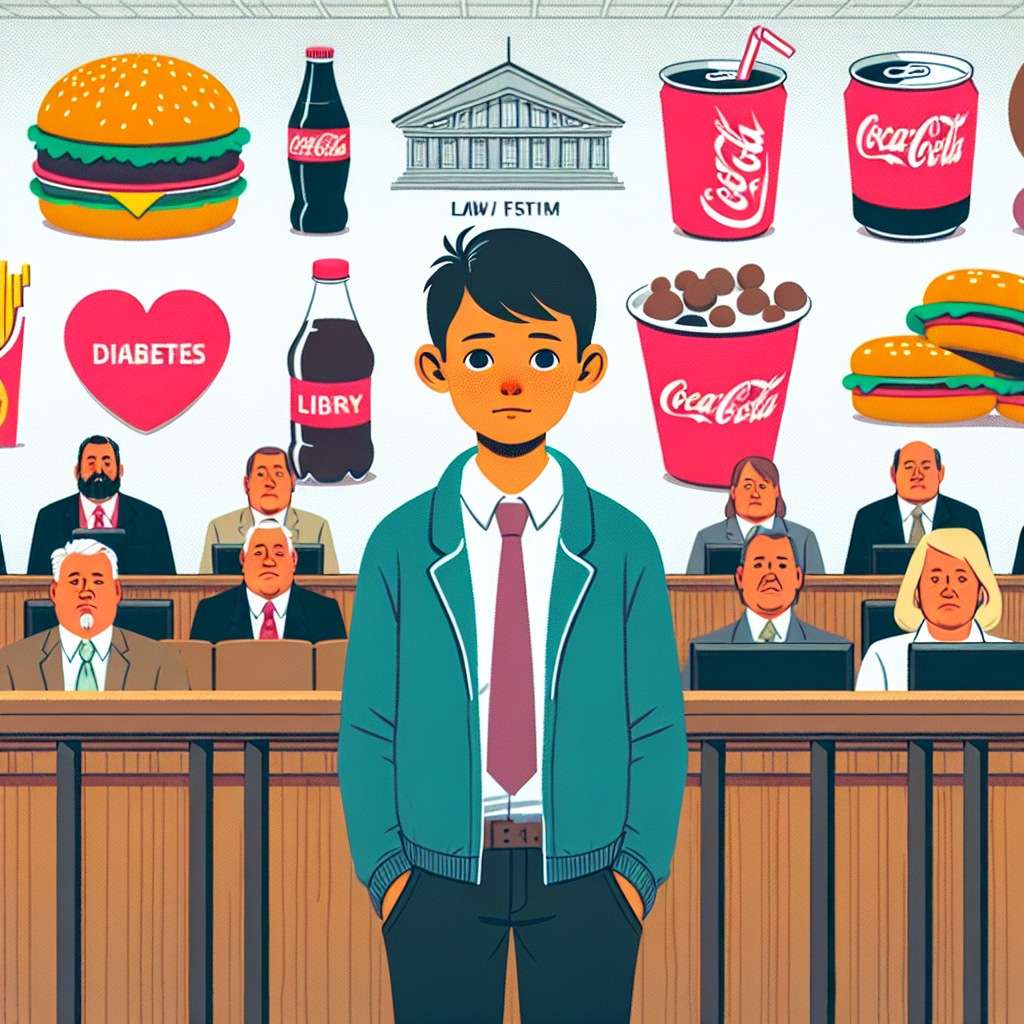
A teenager from Pennsylvania, Bryce Martinez, was diagnosed with type 2 diabetes and fatty liver at the age of 16. He is now suing several food industry giants, accusing them of intentionally creating addictive foods and marketing them to children. The lawsuit filed by Morgan & Morgan law firm targets companies such as Kraft Heinz, Coca-Cola, Nestlé, Mars, PepsiCo, alleging that these companies exploit chemicals that trigger positive responses in the brain, purposely designing products to be addictive, similar to strategies once used by the tobacco industry.
This case has raised serious questions about the health crisis brought on by Ultra-Processed Foods (UPF), especially among children. The lawsuit claims that food companies prioritize profit over public health, knowingly selling UPFs that lead to chronic diseases without warning consumers of the risks, a practice that has been ongoing for decades.
The lawsuit accuses these companies of marketing products as safe without testing for potential harm to hormones and metabolism – key factors in the development of type 2 diabetes and non-alcoholic fatty liver disease, conditions becoming increasingly common among North American youth. A study published in the Hepatology journal in 2023 linked the rise in childhood fatty liver disease to increased risks of diabetes, heart disease, and cancer in adulthood.
Martinez consumed sugary beverages (such as Gatorade, Capri Sun, and Coca-Cola) and processed snacks (ice cream, cereals, and chips) for an extended period. He claims these companies failed to warn consumers about the harmful effects of their products. The lawsuit highlights that these foods are designed to be addictive, containing unhealthy ingredients and chemical additives, ultimately leading to long-term health issues.
The legal action argues that these companies neglected to warn consumers about the harmful effects of their products and that their deceptive marketing campaigns pose foreseeable risks to children’s health, especially those who consume these foods regularly.
While there is no universally agreed-upon definition of “ultra-processed foods,” experts generally consider them to be industrially manufactured foods containing ingredients not commonly found in home cooking, such as artificial flavors, emulsifiers, and preservatives. These foods are convenient and tasty but often lack essential nutrients, while being high in sugar, unhealthy fats, and additives.
Pediatricians like Dr. Joel Warsh believe that UPFs are a leading cause of chronic diseases in children. The NOVA food classification system developed by Brazilian researchers in 2009 categorizes foods based on their level of processing. According to this system, UPFs refer to highly processed foods enhanced with multiple artificial ingredients to boost their appeal, often sacrificing their nutritional value.
Consumer Brands Association spokesperson Sarah Gallo countered by stating that the term “ultra-processed” is vague and misleading, arguing that food processing is a natural part of food production, with many processed foods being nutritious and making food more accessible. However, critics insist that the excessive use of additives, artificial flavors, and sugars in UPFs is exacerbating the health crisis among children.
The lawsuit also emphasizes the predatory marketing methods employed by food companies, tactics long compared to those of the tobacco industry. Since the 1970s, these companies have been accused of influencing public opinion and downplaying the negative health impacts of their products through lobbying, industry-funded research, and strategic collaborations. This goes beyond food sales, extending to controlling the narrative around health and nutrition.
Former WHO Director-General Margaret Chan has criticized the food industry for using market power to influence governments and media, avoiding accountability for health risks, and shifting responsibility onto consumers while promoting “personal responsibility.” She believes this approach creates an environment where public health issues are overlooked.
This lawsuit and the widespread discussion on the dangers of ultra-processed foods may trigger significant changes in food regulations. Over the years, numerous organizations have petitioned the Food and Drug Administration (FDA) in the US to review and regulate harmful food additives such as food dyes. States like California have enacted laws prohibiting certain harmful food ingredients, and more states are pushing for stricter regulations on food chemicals.
Additionally, social media influencers and health advocates recommend a complete ban on ultra-processed foods. Nutrition expert Dr. Paul Saladino publicly calls for such measures, believing that eliminating these foods will have profound effects on public health, reducing the incidence of chronic diseases, improving mental health, and enhancing overall well-being.
The lawsuit holds food companies accountable for deliberately promoting harmful foods to children. It alleges that of the 11 companies, six collaborated to entice children to consume more UPFs for profit. The plaintiffs argue that these companies intentionally created addictive foods and actively marketed them to children without warning consumers of the long-term health risks posed by their products. This case could set a precedent for other lawsuits and regulatory actions, compelling companies to reassess their marketing strategies and product ingredients. A favorable outcome could lead to stricter regulations on food labeling, marketing tactics, and ingredient use.
This legal battle against food companies for promoting harmful ultra-processed foods targeted at children reflects a broader public health issue. With the rise in childhood obesity, type 2 diabetes, and other diet-related diseases, scrutiny of food companies and their business practices is intensifying. While the definition of ultra-processed foods remains controversial, the associations with chronic diseases are undeniable. The outcome of this lawsuit could have significant implications for future food regulations and public health policies, reshaping the practices of the food industry in marketing and product development.