
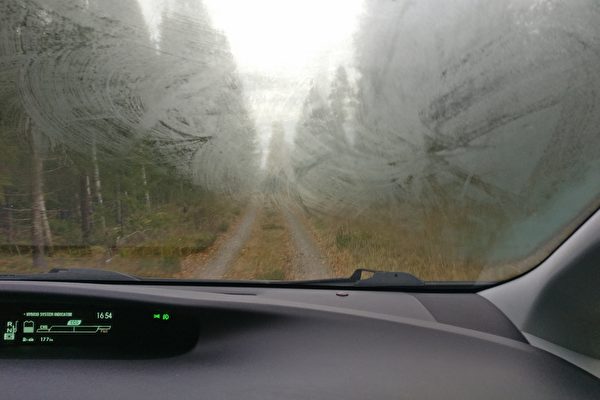
The windshield of a car must be cleaned regularly, or it can obstruct the driver’s view, posing a safety hazard, especially in winter when it is prone to ice or frost. While some influencers have shared tips on using potatoes to clean windshields, experts warn against a particular method that could potentially damage the windshield.
According to a report by the UK’s Daily Express, there has been a recent trend of using potatoes to clean windshields promoted by influencers, claiming it can prevent fogging and condensation and enhance water resistance.
However, Robert Webster, a car expert from the UK’s car glass shop “My Car Glass,” expressed that this method has more disadvantages than benefits and is not advisable.
While using potatoes for windshield cleaning may have some positive effects, these effects are short-lived, and the potatoes themselves may leave residue on the glass, affecting visibility.
Webster explained that potatoes contain starch, which can temporarily create a water-repellent mechanism on the windshield. Rainwater would roll off the windshield upon contact, leaving no residue behind.
Although starch may reduce fogging on the windshield by forming a protective layer that prevents moisture from condensing on the glass surface, these effects are temporary. Once the starch layer wears off, fogging and condensation issues may reoccur.
Webster stated, “Starch is known to leave a sticky residue. While initially it may not be obvious, it can accumulate over time, especially when exposed to direct sunlight, dirt, and other pollutants.”
He emphasized that the starch layer from potatoes, if not properly cleaned off the windshield, could lead to increased fogging and condensation issues, potentially damaging the windshield and wipers.
A better solution, according to Webster, is to use specialized products designed for windshield maintenance that have been tested under various weather conditions, ensuring safe regular usage.
These products include anti-fog sprays and cleaners with hydrophobic coatings, as they are safe for glass and provide long-term protection without the risk of residue or scratches.
Former NASA engineer Mark Rober previously shared a quick method for defogging windshields.
Rober explained in a YouTube video that windshield fogging often occurs during winter, when the interior of the car is significantly warmer than the exterior. The key to rapid defogging is exchanging the moist warm air inside the car with the dry air outside that can absorb moisture.
You can open the car windows when weather permits, turn off the “recirculation” button, and switch on the heat. Activating the “air conditioning” function can help expel more moisture outside, facilitating quick defogging.
Rober advised maximizing window opening, even if it’s just for a few seconds, to facilitate the exchange of humid interior air with dry exterior air.
(You can watch the video clip by clicking
here.)