
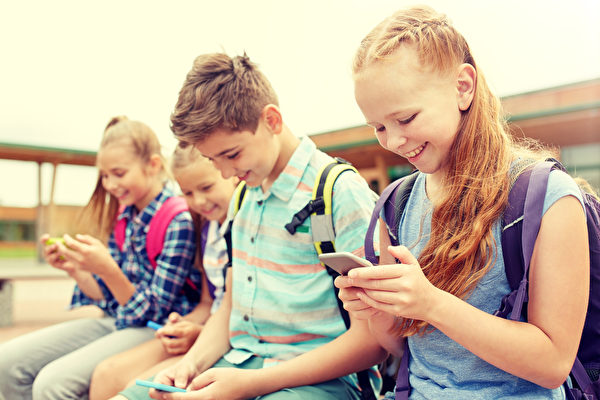
New York City Mayor Adams and Dr. Ashwin Vasan, Director of the Department of Health and Mental Hygiene (DOHMH), released a special report on social media and mental health on June 20. The report confirms that social media has a harmful impact on users, especially adolescents, and immediate action must be taken to prevent and address these issues.
This is the first national report issued by a public health agency, which includes the results of two recent surveys. These surveys examined 22,484 minors aged 5 to 17 living in New York City, as well as their parents or guardians, to investigate their social media usage habits and the impact on mental health. Adams stated that the results of the survey once again confirm the well-known fact that the toxic environment of social media platforms poses a danger to young people. Action must be taken swiftly to address these issues and prevent further harm to children.
The findings of this report include:
1. The majority of children, adolescents, and adults use social media, with over 40% of surveyed parents believing their children use social media “too much.” 78% of parents think the government should restrict the types of social media that teenagers can use.
2. Parents of New York teenagers who use social media believe their children are more likely to suffer from anxiety by 27 percentage points and depression by 14 percentage points compared to parents of teenagers who do not use social media. Parents who use social media are also more likely to experience symptoms of depression or anxiety than those who do not.
3. The frequency of social media use among teenagers is directly proportional to the occurrence of mental health problems or symptoms. Among teenagers who use social media daily, 90% reported feeling anxious, and 56% reported depressive symptoms.
4. Most surveyed teenagers stated they use social media for entertainment, learning new things, or out of boredom. Teenagers who list boredom as the primary reason for using social media are more likely to feel anxious about the future compared to those who use social media for other reasons.
5. The rate of social media usage and its impact vary depending on the level of community poverty and the type of school attended. Teenagers living in extremely impoverished areas use social media more frequently than those in affluent communities, with a difference of nearly 10 percentage points.
6. Students in public schools or charter schools use social media more frequently than students in private schools.
The report also provides recommendations, including expanding educational campaigns to raise awareness about social media, implementing social media safety and digital literacy programs to help teenagers use social media in moderation, expanding community resources to offer social alternatives beyond online platforms, and developing and enforcing regulations that require social media companies to strengthen content moderation, improve features, and protect privacy. Ongoing research on the impact of social media on the mental health of young people is also recommended.
Regulating social media has become a societal consensus. On the same day the report was released, Governor Hocho approved the Stop Addictive Feeds Exploitation for Kids Act and The New York Child Data Protection Act to prevent the harm of social media to children and adolescents.