
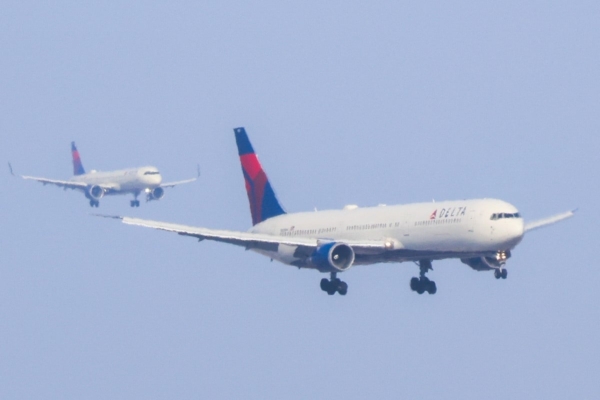
Global aviation fuel prices have surged due to the impact of the Middle East conflict and the blockade of the Hormuz Strait, with the International Monetary Fund (IMF) warning that fuel shortages and supply chain disruptions will continue for a “period of time”.
According to data from the International Air Transport Association (IATA), the global average aviation fuel price soared to $209 per barrel last week, doubling from $99 before the outbreak of the war at the end of February. Despite the short-term ceasefire agreement between the United States and Iran, experts anticipate that damaged infrastructure and declining stocks will keep travel costs high in the coming months.
In recent weeks, international oil prices have experienced severe fluctuations, briefly surpassing $119 per barrel. On Wednesday, following news of a two-week ceasefire and the temporary reopening of the Hormuz Strait, oil prices dropped below $95 per barrel. However, by Thursday, concerns about the fragile agreement escalated, causing oil prices to rebound to nearly $100.
“The real key is volatility,” said Shye Gilad, a former airline captain and current professor at the Georgetown University Business School. “Right now, airlines are trying to bet on what they think will happen in the future.”
“When prices fluctuate rapidly in both directions, airlines find it difficult to make predictions,” Gilad added.
Facing mounting operational pressures, major airlines worldwide have reduced flights and added fees. Delta Air Lines, United Airlines, and American Airlines have all raised baggage check fees.
Following the fee adjustments this week, Delta Air Lines CEO Ed Bastian told reporters, “At the current fuel price levels, it’s hard to view any situation as temporary.”
Previously, United Airlines CEO Scott Kirby warned in a staff memo that if oil prices remain high, the annual cost could increase by up to $11 billion, nearly double the company’s highest annual profit ever.
In addition to increasing surcharges, airlines have begun cutting flights to save costs. United Airlines expects to cut approximately 5% of its flights in the near future, primarily targeting lower-profit red-eye flights and weekday itineraries. This has led to many passengers having to cancel their travel plans.
36-year-old Anna Del Vecchio, who lives in Seattle, traditionally visits her family in Philadelphia in the spring and then flies to Paris to see friends she has known since her teenage years. Her credit card points usually cover round-trip tickets, but now prices are hovering around $1,400, approximately twice as much as in previous years.
“I have decided to postpone the trip,” she told the Associated Press, adding that if the ticket price exceeds $1,500, she may not be able to make this trip that she has never missed for many years.
“It’s likely that in the end, I will have to reduce the frequency of my travels,” Vecchio said.
On the geopolitical front, Europe, which has heavily relied on fuel from the Gulf region (accounting for 50% of its imports), is accelerating its shift to the United States for alternative supplies. U.S. oil product exports in March reached a new high since 2017, totaling 3.11 million barrels per day.
Energy analysts point out that the United States, as a leading refining and energy-producing country globally, is structurally more resilient to the impact of import disruptions for its domestic airlines. The U.S. government is also signaling encouragement for countries facing shortages to procure fuel from the United States.
Despite the ceasefire agreement reached in early April briefly causing oil prices to fall, doubts linger about the agreement’s sustainability. Most analysts believe that even if diplomatic tensions ease, damaged port facilities and refining capacity will require an extended period for repair.
James Noel-Beswick, the commodities director at the Swiss data firm Sparta, warns, “Globally, any aviation fuel buffer space that existed before the crisis has been severely compromised, and the road back to pre-crisis levels will take months, not weeks.”