
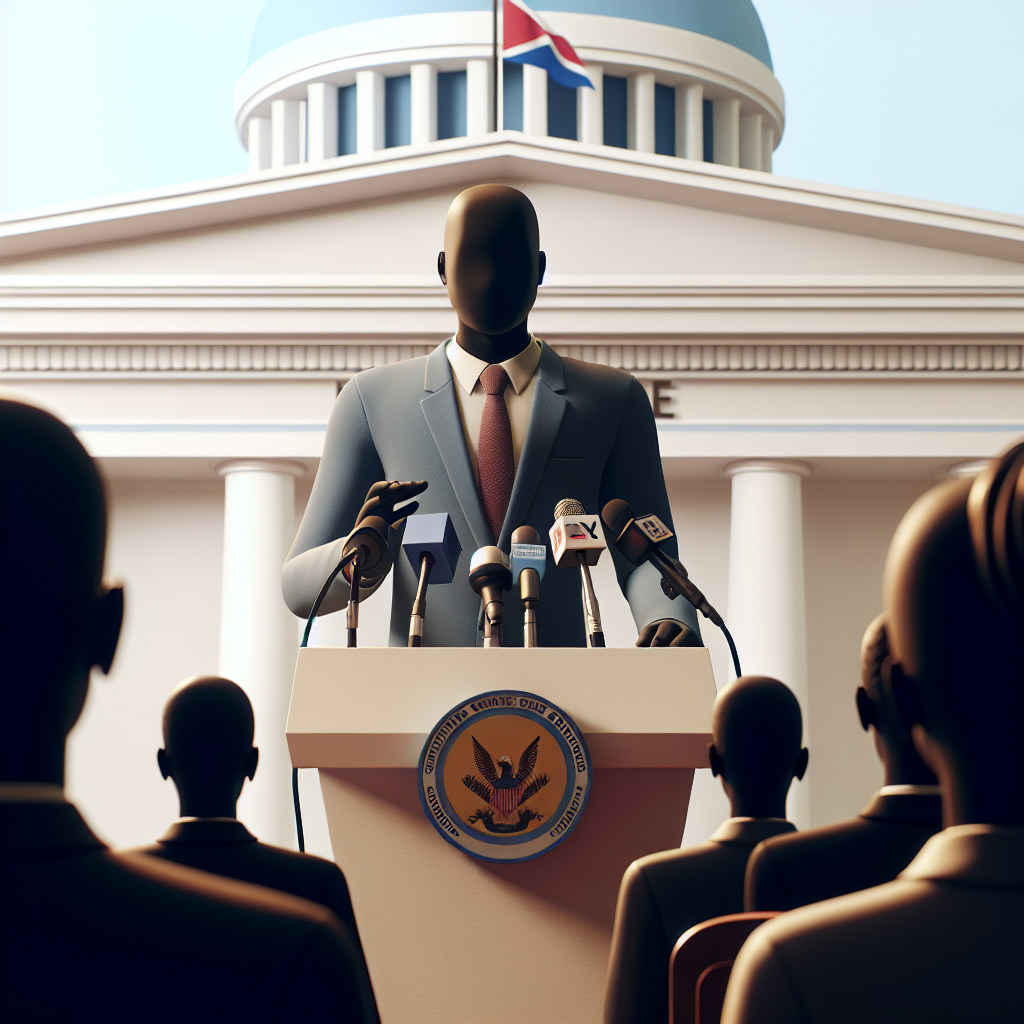
On Wednesday, April 8, at a regular press conference, White House spokesperson Karoline Leavitt addressed the situation in Cuba. The island nation, with a population of nearly 10 million, is currently mired in a crisis of frequent power outages and political turmoil.
Prior to this, the U.S. military successfully captured former Venezuelan President Nicolás Maduro and his wife Cilia Flores, and joined hands with Israel in a strike against the Iranian regime. In the midst of these actions, U.S. President Trump had previously stated that “next [on the list] is Cuba,” drawing attention from the international community.
Addressing this, Leavitt clarified and responded to questions from journalists from The Epoch Times. She stated, “I believe, at the time, President Trump meant that ‘the Cuban regime is destined to fall.’ This country is currently very weak, both economically and financially.”
Leavitt added, “The Cuban people are tired of their government, and it is only natural.” While she did not announce any new policy updates, she hinted that U.S. government officials are working across departments to find diplomatic solutions, stating that “these discussions and dialogues are ongoing at the highest levels of our government.”
Although former U.S. President Obama had relaxed some sanctions on Cuba during his tenure, Trump began to reverse these policies in his first term and intensified pressure on Cuba in his second term.
On March 27th of this year, during a speech at the Miami Institute for Future Investment, Trump stated that his policy of promoting peace through strength is built on a “strong military,” and that leveraging economic tools and a tough negotiation strategy can bring about change without resorting to the use of force.
“I’ve said, you don’t have to use force, but sometimes you have to. By the way, next up is Cuba,” Trump said at the time, adding that it might be a joke, “But please, media friends, ignore that statement, as if I didn’t say that. Thank you very much. Cuba is next.”
In an executive order signed on January 29, 2026, Trump labeled the Cuban government as an “unusual and extraordinary threat.” The order points out that Cuba is allied with hostile countries like China, Iran, Russia, as well as terrorist organizations like Hamas and Hezbollah, all of which pose a threat to U.S. national security.
The order harshly condemns Cuba for spreading communist ideology in the western hemisphere: “Communist regimes persecute and pressure political dissidents; strip citizens of their freedom of speech and press; profit from the people’s suffering, and commit human rights violations.”
U.S. Secretary of State Marco Rubio also reiterated concerns about communist regimes on March 27, publicly calling for a change of power in Cuba. He bluntly stated, “The only thing worse than communists is incompetent communists. Their government system must change, or the economy will never develop.”
The U.S.’s tough economic pressure has hit Cuba’s current vulnerabilities. Due to Cuba’s heavy reliance on imports for its energy needs, particularly Venezuelan oil in the past, with the collapse of the Maduro regime and strict U.S. limitations on other countries exporting oil to Cuba, the country’s energy supply has been effectively cut off.
Currently, Cuba is facing a severe crisis of resource scarcity. In many areas, including the capital, Havana, daily power outages lasting over 16 hours are disrupting normal life and commerce, leading to widespread protests against the Communist government.
The U.S. State Department highlighted that outdated energy infrastructure and a lack of maintained power grids are factors exacerbating this crisis further.
Although in late March the U.S. government allowed a Russian-flagged oil tanker to deliver approximately 700,000 barrels of crude oil to Cuba, momentarily breaking the strict oil embargo, according to official estimates and calculations based on past import averages, these new supplies are only expected to last 7 to 10 days, likely until mid-April, providing little relief for Cuba’s long-term crisis.