
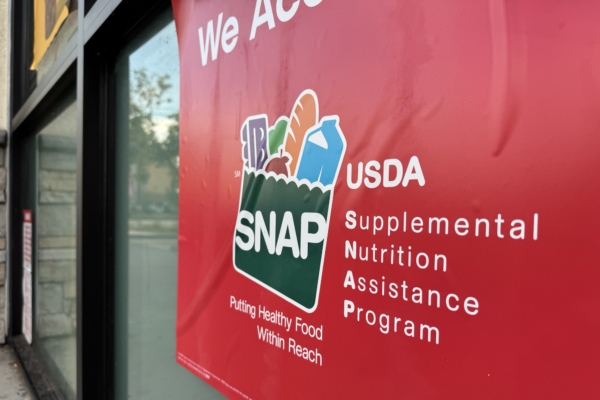
Since Wednesday, April 1st, some changes to the federal Supplemental Nutrition Assistance Program (SNAP), commonly known as food stamps, have begun to take effect that will impact residents of California.
The food stamp benefit, known as the CalFresh program in California, is typically loaded onto beneficiaries’ Electronic Benefit Transfer (EBT) cards by the federal government each month. Currently, approximately 42 million people in the U.S. receive this benefit monthly, with California having the highest number of recipients.
The new regulations that took effect on Wednesday have altered the eligibility criteria for applicants, leading to some individuals, including certain categories of non-citizens, losing their benefits. These changes stem from the One Big Beautiful Bill Act that came into effect last year.
In addition, in California, changes in the calculation of daily expenses (such as utilities) may result in corresponding reductions in the amount of benefits received by some families each month.
Under the One Big Beautiful Bill Act requirements, food stamp beneficiaries must meet the new work and identity requirements.
Groups of individuals who are “no longer eligible” include refugees, asylum seekers, victims of human trafficking, abused non-citizens, parolees (excluding those from Cuba and Haiti), as well as individuals with deferred deportation or removal orders.
Another significant change is the work requirement: in order to continue receiving food stamp benefits, able-bodied adults must work at least 80 hours per month, be in education, or participate in training programs.
If unable to prove employment, volunteer service, or participation in training, individuals can only receive food stamp benefits for a maximum of three months within a three-year period.
The new regulations also expand the age range for the aforementioned work requirements. Previously limited to adults aged 18 to 54, it now extends to adults aged 18 to 64.
According to the California Department of Social Services (CDSS) website, starting from June 1st, adults under 65 with no young children at home must demonstrate their employment to continue receiving CalFresh benefits.
Monthly net income and household size also affect the eligibility of applicants to receive benefits.
Based on the current income limit, for a family of four to qualify for food stamp benefits, the total monthly income must not exceed $3,483. This limit might be slightly higher in states with a higher cost of living.
For example, in Los Angeles County, California, the monthly total income limit for a family of four is $5,360; for a family of three, it is $4,442; for a family of two, it is $3,526; and for an individual, it is $2,610. These income standards are adjusted annually.
With the changes taking effect, advocates estimate that tens of thousands of people in California may lose their CalFresh benefits eligibility. Existing beneficiaries will not immediately lose their benefits but will undergo eligibility reviews during the renewal process.