
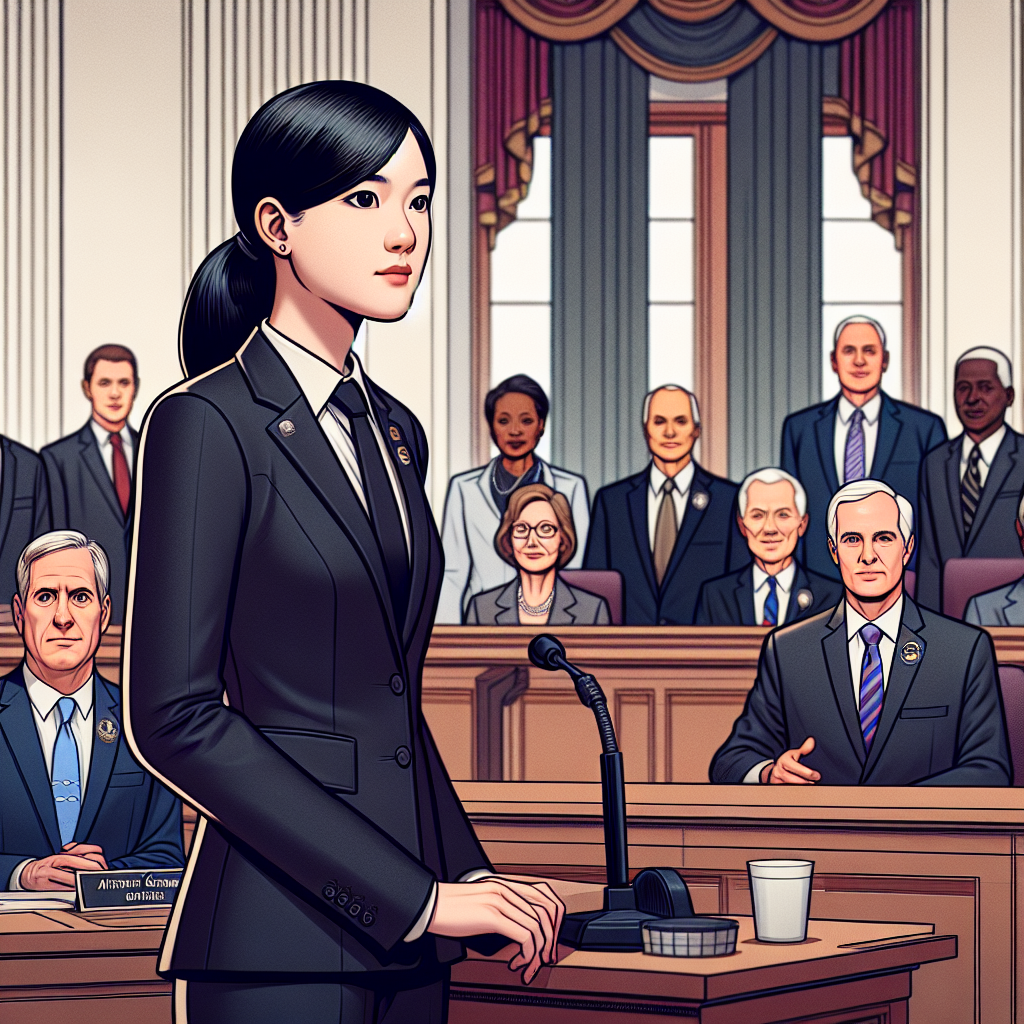
On April 3rd, New York Attorney General Zhang Le Xia, together with the Governor of Pennsylvania and 22 other state attorneys general, challenged the constitutionality of the federal executive order that restricts mail-in voting. They argued that the order “threatens the states’ jurisdiction over elections” and called for the court to revoke the order to uphold the states’ authority over elections and the democratic system.
This week on Tuesday, President Trump signed an executive order tightening the use of mail-in voting to prevent mail-in ballots from being used for fraud in federal elections. The executive order requires the Secretary of the Department of Homeland Security (DHS) to create a verified list of eligible American citizens to vote with the assistance of the Social Security Administration (SSA). Each state must receive this list of voters at least 60 days before every federal election. The order mandates that the United States Postal Service (USPS) can only send mail-in ballots to individuals on this list and use specially designed secure envelopes for tracking purposes.
Zhang Le Xia believes that the order “overrides the states’ authority in managing elections” and “unreasonably restricts mail-in voting.” The coalition of attorneys general from 23 states stated that this order “seeks to seize control of elections from the states and Congress,” thereby “violating the U.S. Constitution and federal laws.” The alliance is requesting the court to reject the order and prohibit federal agencies from executing this executive order.
In their statement, the coalition expressed concerns that if this executive order is upheld, it will force states to make last-minute adjustments to their election systems on the eve of the upcoming federal elections, leading to widespread chaos. The executive order would require states to completely reform their election operations within a very short period and divert critical resources from their current responsibilities, which could occur in the weeks leading up to the primaries or even months before the start of mail-in voting for the 2026 general election.
The alliance argues that the enforcement of the executive order through mandatory federal voter rolls and restrictions on the delivery of mail-in ballots may disenfranchise eligible voters and interfere with ongoing elections. Furthermore, the order could result in investigations or prosecutions against local and state election officials for following state laws, creating a chilling effect that further undermines the normal functioning of elections.