
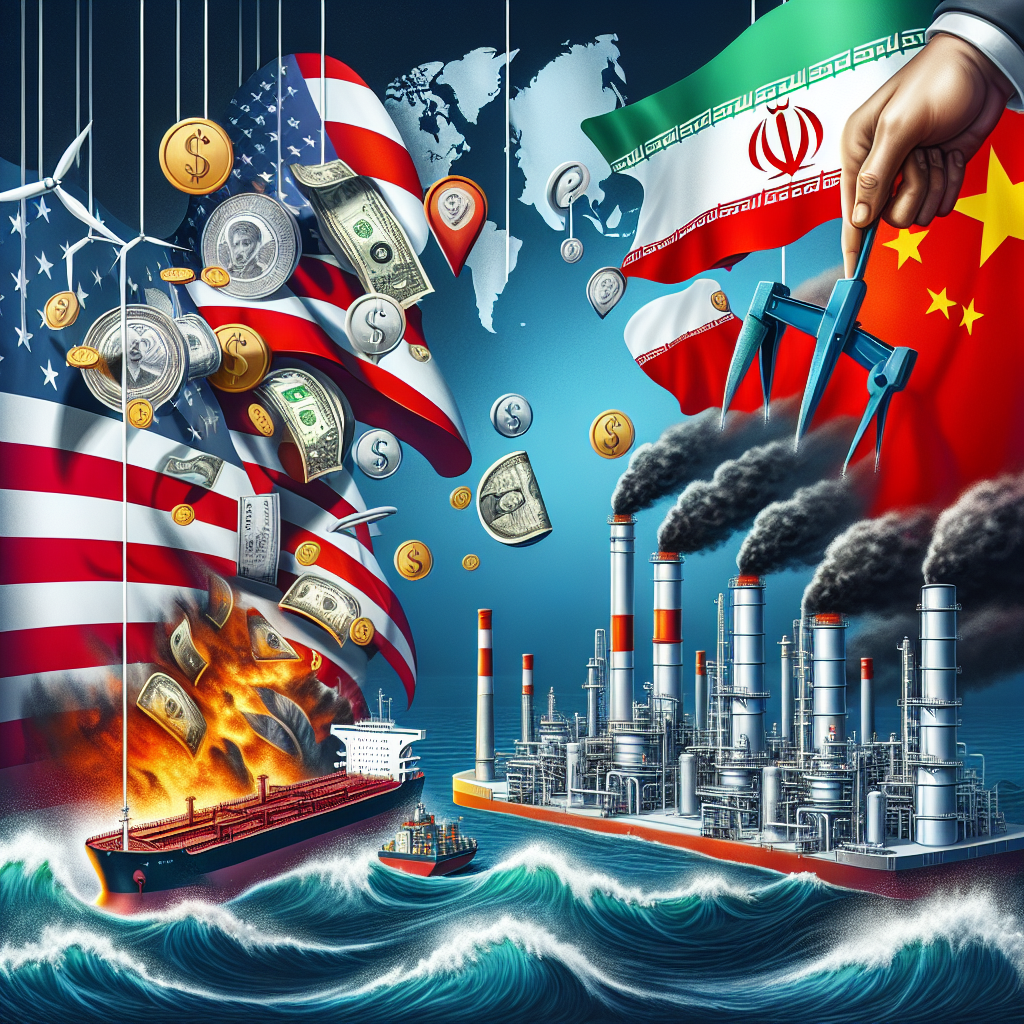
The military actions between the US and Iran have disrupted global oil trade. Since the beginning of the war, the fuel production of Chinese private oil refineries has significantly decreased. Recently, the Chinese authorities have instructed the executives of these refineries to “maintain production at the 2025 level at all costs,” further worsening the situation for these companies.
According to reports from Bloomberg, sources revealed that during an internal meeting earlier this week, China’s National Development and Reform Commission (NDRC) directed the executives of domestic private oil refineries to “maintain fuel production at all costs” and emphasized that ensuring domestic fuel supply is a top priority at the moment.
Sources disclosed that any refineries that reduce their operating rates and production volumes will have their future crude oil import quotas correspondingly reduced in the coming years. Due to the confidential nature of the discussions, the sources requested to remain anonymous.
This means that despite the rising cost of crude oil, Chinese private oil refineries must maintain the production of gasoline and diesel at least at last year’s levels. As a result, these companies will have to bear economic losses.
According to data tracked by JLC International, a Chinese energy consulting firm, as of the week ending on April 1, the operating rates of Chinese private oil refineries have dropped to below 63% of their capacity, reaching a new low since August 2025. This week, the refining profit margins of these private refineries have fallen into losses, marking their worst performance since 2024.
Chinese private oil refineries heavily rely on sanctioned crude oil from Iran, Russia, and Venezuela. As these countries have had limited alternative buyers in the past, they often had to sell their crude oil at significant discounts. These cheap crude oils had previously helped the private refineries survive periods of thin refining margins.
However, with the US imposing sanctions on Tehran and Moscow last month with temporary exemptions, other buyers in Asia may now rejoin the bidding, rendering the advantages of such cheap crude oil almost nonexistent.
To alleviate the energy supply pressure brought about by the Iran conflict, the Trump administration announced a 30-day sanctions waiver on March 20, allowing the stranded Iranian oil at sea to be traded, effective until April 19.
Prior to this, the US had temporarily eased sanctions on Russian oil, allowing the sale of Russian oil loaded before March 12 until April 11.