
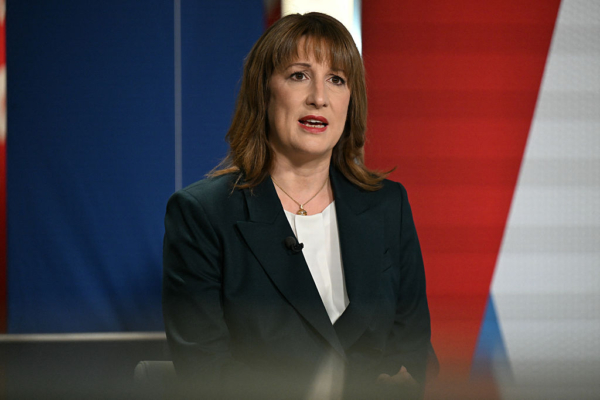
The Chancellor of the Exchequer of the United Kingdom is set to urge her Group of Seven (G7) counterparts on Monday, March 30th, to refrain from imposing new trade barriers or unilateral measures amid the U.S. military actions against Iran, in order to avoid exacerbating the global energy crisis.
According to a statement released by the UK Treasury on Sunday, Chancellor Rachel Reeves will call on the G7 finance ministers, energy ministers, and central bank governors during an online meeting to “act in solidarity, rather than shifting pressure onto partners or weakening collective resilience.”
The G7 members include the United States, United Kingdom, Canada, France, Germany, Italy, Japan, and the European Union.
Reeves is expected to highlight that protectionism and new trade barriers could disrupt supply chains, raise costs, and stress the importance of international cooperation to maintain the flow of energy and goods, gradually easing the burden on people’s daily expenses.
She plans to urge Western countries to increase investments in renewable energy and nuclear power to reduce reliance on natural gas, while also warning that Russia is benefiting from high energy prices.
Following the outbreak of conflict in the Middle East, the Strait of Hormuz has been blocked by Iranian authorities, causing almost complete cessation of oil tankers in the region. Additionally, Iranian-backed Houthi militants have threatened to block the Bab al-Mandab Strait in retaliation against the U.S.-led military actions, intensifying concerns of prolonged disruptions in energy supply.
Reeves had initially planned to begin phasing out fuel tax exemptions (increasing fuel tax) in September 2026, but under pressure from opposition parties and rising oil prices, she may be forced to postpone or adjust this plan. The Bank of England predicts that the March fuel price increase could push the inflation rate up to 3.5%.
Currently, the UK energy price cap is set to decrease in April but is anticipated to rise again in the summer. Economists warn that after the July increase in household energy bills, the inflation rate may reach double the Bank of England’s 2% target (4%).
In addition, Education Secretary Bridget Phillipson stated on Sky News’ “Sunday Morning News” program that there is currently no need to take action. Consumers can continue to refuel with confidence as the freeze on fuel prices remains effective. However, decisions will be made in the near future.
Phillipson also reassured that despite concerns about fuel shortages, drivers can still travel as usual. She further warned that the ongoing conflict may impact inflation and interest rates.
(This article was referenced from Reuters and Bloomberg)