
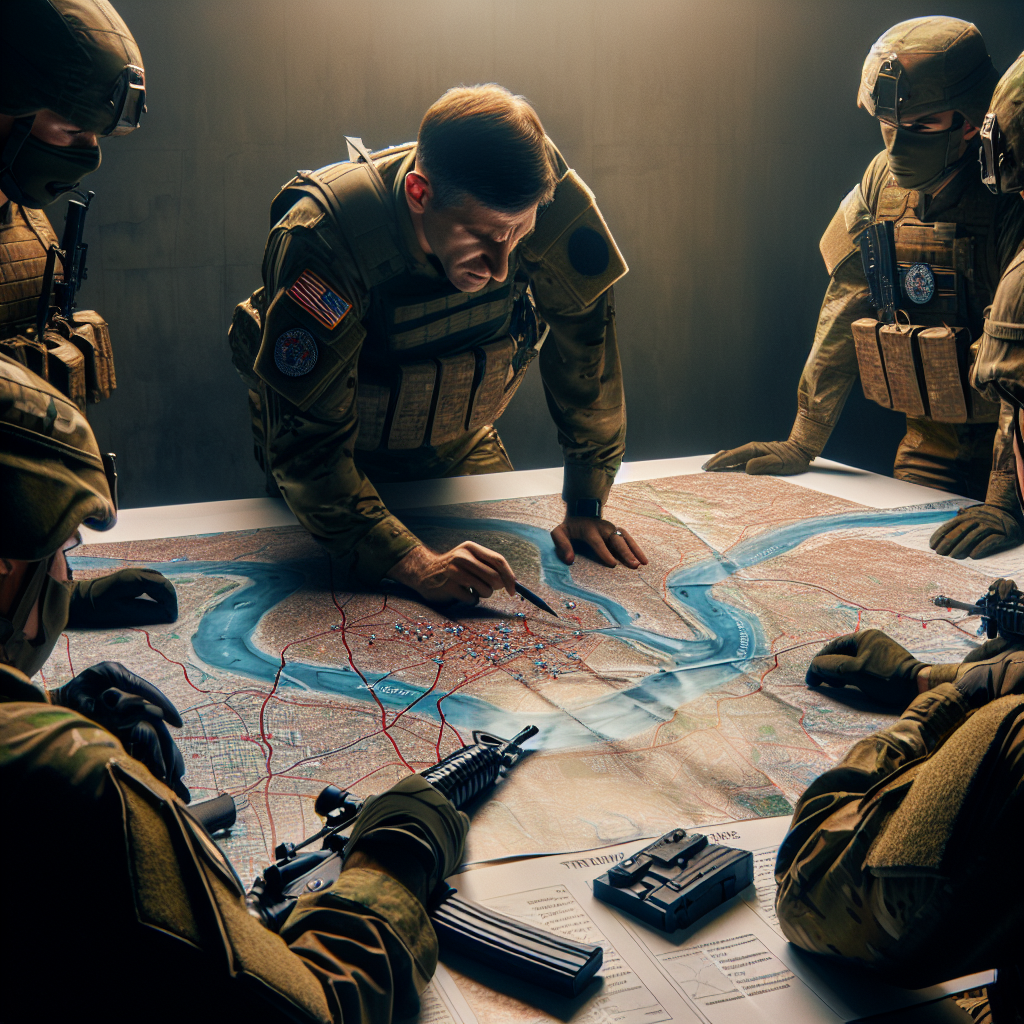
Amid the turmoil and hostage situation in the strategic Strait of Hormuz by Iran, on Tuesday, March 24th, Keith Kellogg, former special envoy of the Trump administration and retired U.S. Army lieutenant general, revealed a “boots on the ground” strategy aimed at forcefully reopening the waterway and ensuring its permanent navigation.
Kellogg, who served as the special envoy for Ukraine affairs under President Trump last year and previously as the commander of the 82nd Airborne Division, advocated for the deployment of ground troops to occupy key Iranian islands to break its control over oil supplies. He specifically singled out Kharg Island in the Persian Gulf as Iran’s lifeline for oil exports.
In an appearance on Fox & Friends, Kellogg stated, “I very much support deploying ground troops… capturing Kharg Island and controlling the Strait of Hormuz would strip Tehran of its ‘economic lifeline,’ ensuring it cannot hold the global economy hostage.”
Simultaneously, it has become a multi-national effort to secure the Strait of Hormuz. According to The Times of London, the UK is considering deploying or leasing warships carrying unmanned systems to conduct minehunting missions. This plan would involve coordination with France, the U.S., and other allies, with a possible second phase deploying Type 45 destroyers to provide armed escorts for transiting oil tankers.
Meanwhile, on the same Tuesday, President Trump stated at the White House that military actions against Iran have achieved “tremendous success,” with Iran’s air and naval forces and air defense systems no longer existing, and the “entire leadership” having disappeared. Despite confusion over communication channels, Trump insisted that negotiations behind the scenes were progressing smoothly and revealed that Iran’s leadership had offered a “significant gift” related to the Strait of Hormuz.
Despite significant losses, Iranian military spokesman Ali Abdollahi Aliabadi remained defiant on Tuesday, affirming that the armed forces would “fight to victory till the end” and denied engaging in any negotiations.
However, Iran’s pressure is not only coming from the U.S. and Israel. Bloomberg reported that as Iranian attacks spread to neighboring countries’ ports, energy facilities, and airports, Gulf powerhouses such as Saudi Arabia and the UAE are contemplating formally joining military actions against Iran.