
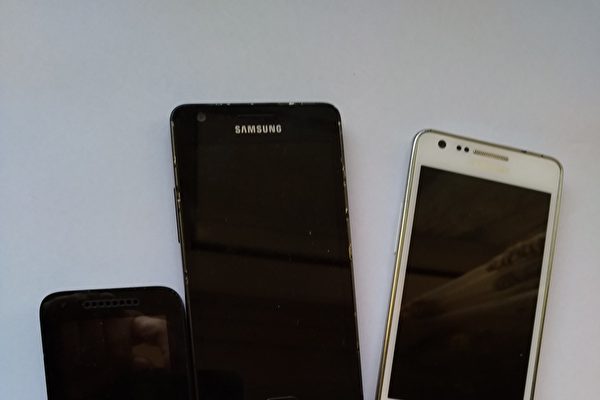
Recently, in China, due to the dual impact of a shortage of storage chips and economic downturn, the prices of second-hand mobile phones have soared significantly in many areas, with some old models seeing prices increase several times, turning previously idle old phones into sought-after items.
According to reports from various media outlets in mainland China, in cities like Jinan, Shandong Province, many recyclers have noticed a noticeable increase in market prices after the Chinese New Year, with prices almost changing “daily.” “In the past, no one wanted to buy them, but now an old phone can be sold for one or two hundred yuan.”
For example, a decade-old OPPO model that used to be valued at only 20 to 30 yuan when recycled last year has now increased to 150 to 180 yuan, nearly an 8-fold increase. Some previously overlooked older models have also seen their prices raised to 10 to 15 yuan.
On online platforms, some scrapped Android models are quoting prices exceeding 150 yuan, and even some old phones are priced at over 300 yuan. Some citizens are selling multiple idle phones at once, with some even exchanging 7 old phones for a second-hand iPhone 11.
In offline markets like Jinan Huqiang Electronics World, the volume of phones being bought by merchants has surged from just over ten per month to an average of thirty to forty per day. Previously, appearance, brand, and whether the phone could turn on were the main concerns; now, attention has shifted to “memory size” and “chip model.” Even for non-operating “scrap phones,” as long as the storage chip holds recycling value, they will still be purchased at high prices.
“We recycle any phone, regardless of whether it can turn on or not, even completely scrapped phones can be exchanged for money,” said the person in charge of a mobile phone recycling store in Jinan to the Qilu Evening News reporter.
These devices are later sent to electronics industry centers like Shenzhen to be dismantled and have storage chips, motherboards, and other key components extracted, some of which may be repaired before re-entering the market.
The skyrocketing prices have also brought about market chaos. Mr. Yang, the owner of a second-hand phone recycling shop in Jinan Huqiang Electronics Market, told Consumer Daily reporters that the prices for old phones fluctuate as frequently as gold, sometimes adjusting “several times a day.”
The profit margin for some phone models can be as high as 50%, further stimulating speculation. Some irregular channels may inflate prices to attract customers, only to negotiate lower prices during actual transactions, harming consumer interests. The industry’s heated competition has attracted a large number of new entrants, leading to more phenomena like setting up stalls in neighborhoods for phone recycling and online high-price collection, making the market disorderly and leading to vicious high-price competition.
Analysts in mainland China believe that the driving force behind this wave of old phones “resurgence” comes from the upstream supply chain. Due to rising prices and tight supply of storage chips, phone manufacturers are facing cost pressure, with recycling old devices becoming an important supplementary source for storage chips. The cost of disassembling chips is only 40% to 60% of that of new items.
Industry analysis suggests that the sharp increase in memory demand due to AI applications has fueled the crazy demand for storage on old phones. The rise in chip prices has pushed up overall phone terminal prices, leading to a surge in businesses related to repairing, refurbishing, and expanding old phones. Repair shops are purchasing dismantled parts in large quantities to repair and expand phone motherboards, making scrapped phone models highly sought-after goods.
As the trading of old phones heats up, concerns about personal data security are once again magnified.
Industry professionals advise that before selling old devices, personal information should be thoroughly erased, including restoring factory settings, overwriting data multiple times, or choosing legitimate platforms for recycling to prevent sensitive information from being recovered and misused.