
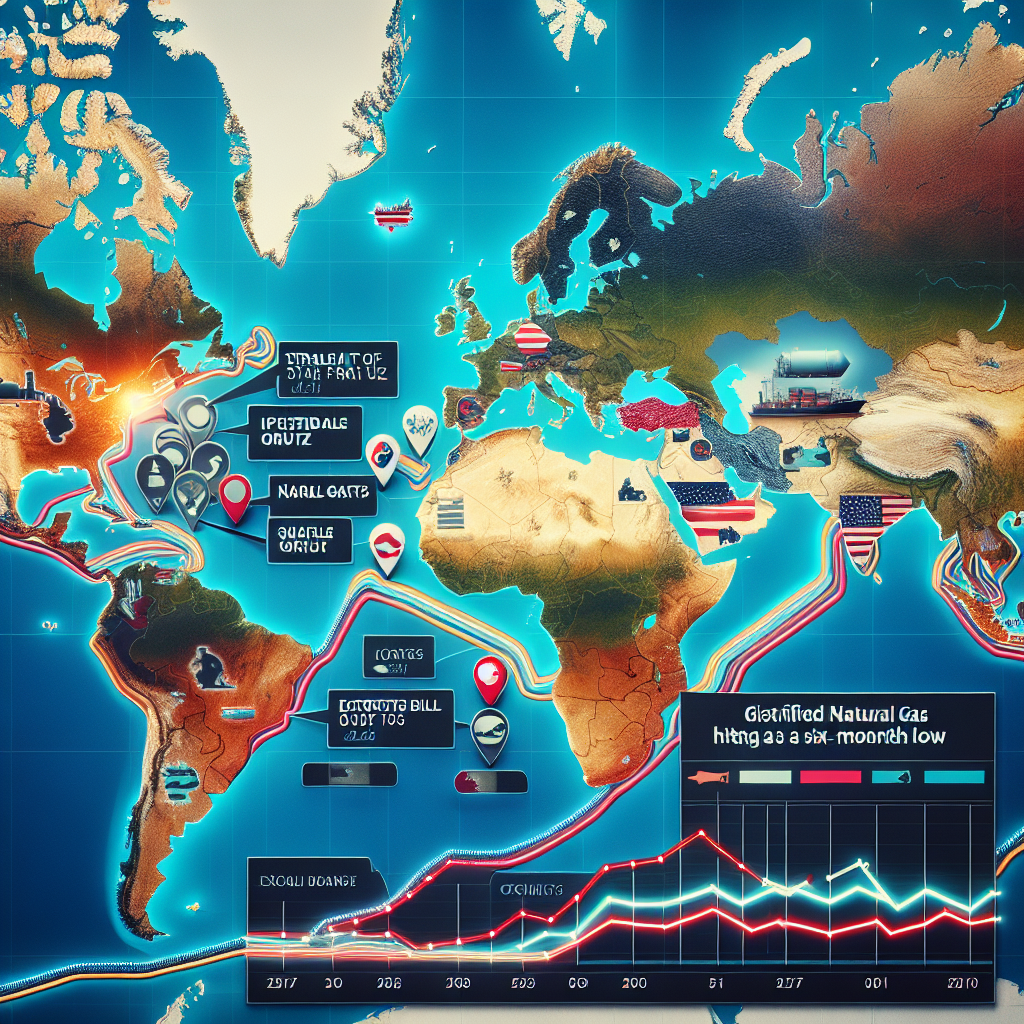
Global liquefied natural gas (LNG) exports have hit a six-month low due to restrictions on shipping routes in the Strait of Hormuz caused by conflicts in the Middle East, wiping out the recent increase in natural gas supply from the United States and other regions.
According to a report by Bloomberg, analysis of ship tracking data from the maritime data company Kpler shows that the 10-day moving average of global LNG shipments has dropped by about 20% since the beginning of this month, reaching 1.1 million metric tons, the lowest level since September last year.
The data indicates that the largest decreases in shipment volume are from Qatar, followed by the United Arab Emirates. Both countries rely on the Strait of Hormuz to deliver liquefied natural gas to customers in Asia and Europe.
With Iran continuing to attack neighboring countries in the Gulf region, the Iran war is escalating into a regional conflict, posing a threat to the global LNG market.
Earlier this month, Iran attacked a liquefied natural gas export facility in Ras Laffan Industrial City in Qatar, a key ally of the United States, leading to the closure of the world’s largest LNG plant in Qatar. The plant’s output accounts for approximately one-fifth of the global LNG supply.
Last week, Ras Laffan Industrial City was targeted again, causing further damage to its LNG production facilities. Out of the 14 production lines, two may require several years to be repaired.
Over the past year, global LNG production had been steadily increasing, primarily due to new projects in the United States and Canada. However, with Qatar reducing its LNG supply and the effective closure of the Strait of Hormuz, the increased gas supply from the US and Canada has been offset. Approximately one-fifth of the world’s LNG is transported through the Strait of Hormuz.
In response to the global energy supply crisis, the United States relaxed sanctions on Venezuela’s state-owned oil and gas company last week, allowing US companies to do business with them, albeit with some restrictions.
Furthermore, Israeli Prime Minister Benjamin Netanyahu announced last week that, at the request of US President Trump, Israel would temporarily halt attacks on Iran’s energy facilities. Earlier this week, the Israeli military targeted Iran’s large natural gas facilities in the South Pars gas field, exacerbating the rise in global energy prices.
(Reference: Bloomberg report)