
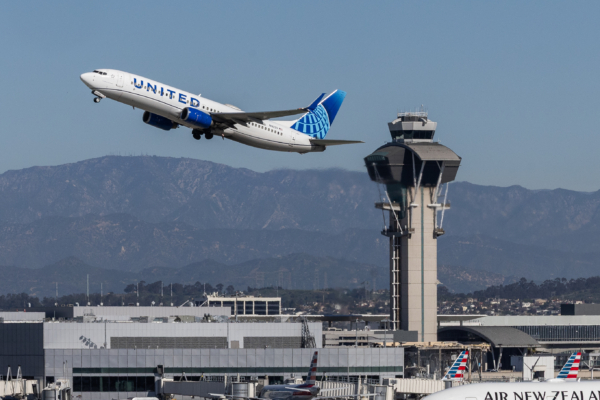
United Airlines announced on Friday (March 20) that they will be cutting 5% of their scheduled flights in the second and third quarters of this year to cope with the soaring aviation fuel costs caused by the Iran conflict.
Despite facing pressure from high fuel expenses, United Airlines CEO Scott Kirby emphasized the company’s financial stability and commitment to maintaining established aircraft deliveries and long-term investment plans, pledging not to implement layoff actions.
Kirby pointed out in a letter to employees that in the past three weeks, aviation fuel prices have more than doubled. If prices continue to stay high, the company’s annual fuel expenses will increase by approximately $11 billion, more than double the best-performing year in United Airlines’ history in terms of profit.
United Airlines is currently planning operations based on the extreme scenario of oil prices possibly reaching $175 per barrel and staying above $100 until the end of 2027.
Kirby explicitly stated that the company must adopt a flexible scheduling strategy to safeguard financial health, asserting, “If the aviation business cannot absorb these fuel costs in the short term, burning cash would be meaningless.”
The route adjustments mainly target off-peak hours, including some red-eye flights (late-night departures and early-morning arrivals), as well as weak services on Tuesdays, Wednesdays, and Saturdays, accounting for approximately 3% of total capacity.
Furthermore, United Airlines will reduce capacity at Chicago O’Hare Airport by 1% and continue to suspend routes to Tel Aviv and Dubai, bringing the total reduction to around 5% of the originally planned capacity for this year.
The company expects to resume full flight schedules in the autumn of this year.
It is worth noting that despite the rise in fuel costs leading to higher ticket prices, the market demand for travel remains exceptionally strong. United Airlines disclosed that the past 10 weeks have seen the highest revenue booking volume in the company’s history, a trend also reflected in the performances of other major carriers like Delta Air Lines and American Airlines.
Kirby encouraged employees in the letter, describing the company as being in an “attack mode.”
“In the post-pandemic era, we understand that the challenges in the aviation industry are inevitable,” he said. “For the past five years, my personal goal has been to ensure that United Airlines avoids system-wide layoffs once again. In fact, I have always hoped that United Airlines can further solidify our leading position as the world’s best airline amidst the harsh industry environment.”
Different from past crisis responses of downsizing and deferring aircraft orders, Kirby stated that United Airlines’ current cash reserves are three times higher than pre-pandemic levels, boasting the highest credit rating in over 30 years and leading industry profit margins, enabling them to better handle rising oil prices compared to competitors.
“We have sufficient financial strength to continue focusing on long-term goals, and we are moving forward at full speed this year,” Kirby said. “United Airlines is now on the offensive, and doing so may ultimately bring tremendous returns.”
United Airlines plans to receive approximately 120 new aircraft this year and expects to introduce another 130 aircraft by April 2028.
Additionally, the company will increase investment in technology research and development and premium lounges, aiming to widen the lead over competitors amid industry turbulence.